

Daily
Water Requirement

Non Fragrant
Fragrance

Large
Size

Medium
Maintenance

Outdoor Shade
Sunlight Requirement

Yes
With Pots

Scavola
Genus

Balcony,Medicinal
Use
Katturudraksham
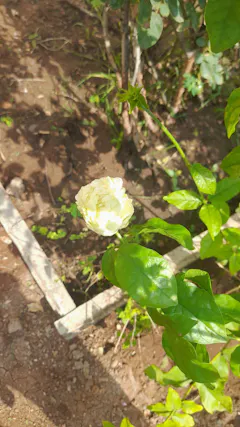
The Bhadraksha (Scaevola taccada), also known as Half Flower, Malayan Rice Paper Plant, Beach Naupaka, is a coastal shrub or small tree belonging to the Goodeniaceae family. It is native to tropical shorelines across Asia, including India.
🌱 Botanical Features
-
Habit: Soft‑wooded shrub or small tree, reaching up to 20–24 ft in ideal conditions.
-
Leaves: Thick, shiny light green, obovate, clustered at branch tips; rough on top, velvety beneath.
-
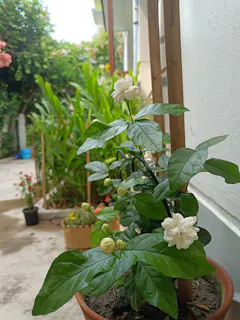
Flowers: White to pale lilac, fan‑shaped, appearing in axillary clusters. Unique “half‑flower” look with lobes spreading on one side.
-
Fruit: Fleshy drupe, green turning white, about 1–2 cm, crowned by persistent calyx lobes.
🌍 Environment & Growth
-
Thrives in coastal sandy soils with good drainage.
-
Prefers full sun to partial shade; tolerant of salt spray and wind.
-
Often planted as a hedge or windbreak in seaside landscapes.
-
Requires moderate watering; drought‑tolerant once established.
🌸 Uses & Significance
-
Medicinal: Traditionally used for treating conjunctivitis (fruit juice), low back pain, abdominal ache, warts, and stress relief. Ash from the plant is sometimes applied for skin conditions.
-
Cultural: Its resemblance to the Rudraksha tree gives it the name Bhadraksha. Seeds are round and symbolic, though unlike Rudraksha they lack openings.
Landscape Use
Ideally suited for semi-evergreen forest