
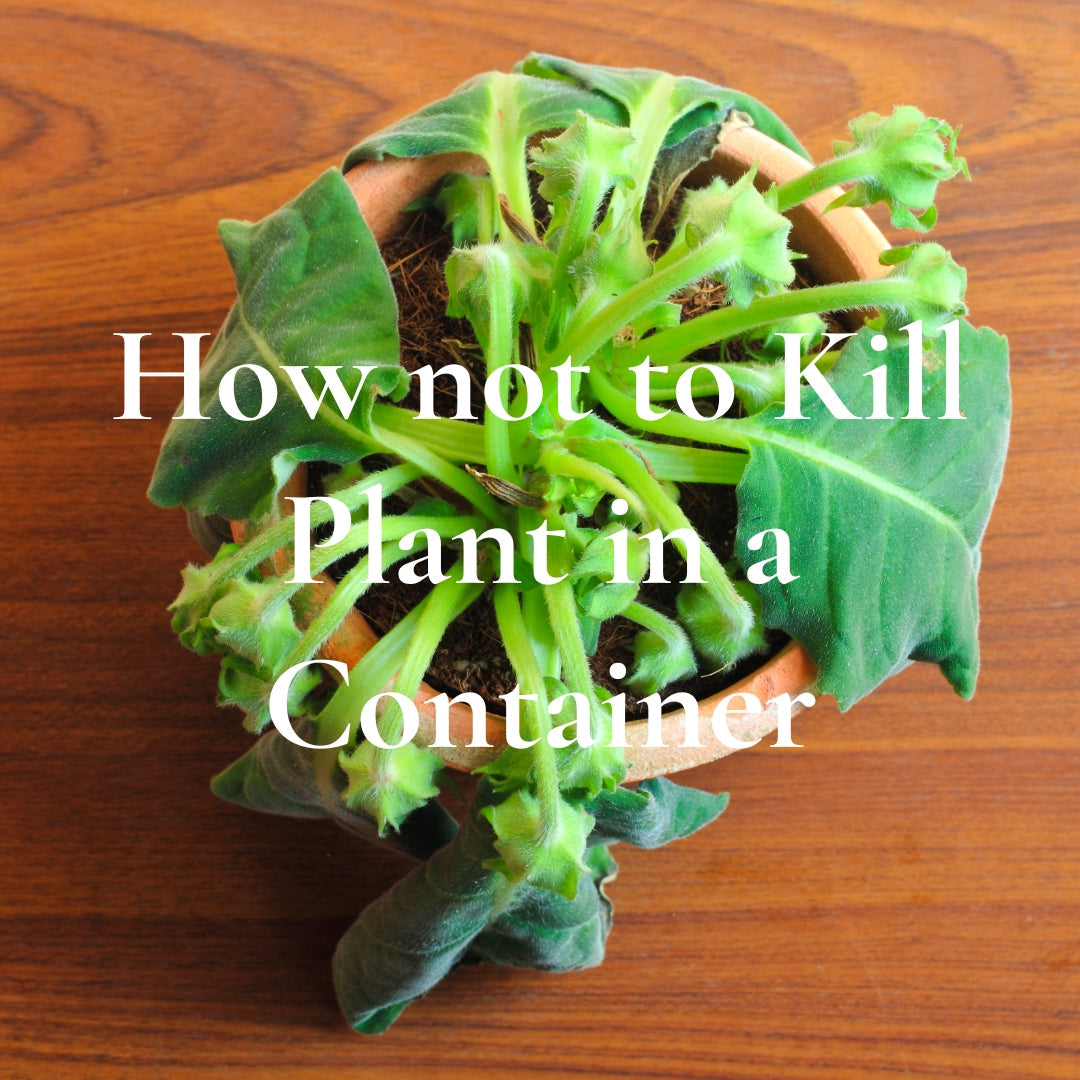
How Not to Kill Plants in Containers
Container gardening is rewarding, but it comes with its own challenges. Many plants fail not because they are difficult to grow, but because of avoidable mistakes. Here are 13 of the most important things to keep in mind to help your container plants thrive.
1. Over-watering
Many new gardeners believe that the more they water, the better. In reality, every plant has different watering needs, which can vary depending on the season, light levels, and temperature. The best way to avoid over-watering is to understand the specific moisture requirements of each plant.
Most plants (except moisture-loving varieties) prefer when the top layer of soil dries out between watering sessions. Others need the soil to remain slightly moist. A simple method is to insert your finger about an inch into the soil — if it feels dry, it’s time to water.
2. Under-watering
Just as harmful as over-watering, under-watering can weaken plants. Again, knowing the moisture needs of each plant is essential. During summer, plants generally require more water, so increase the frequency. When watering, do it thoroughly until water seeps out of the drainage holes, then wait until the soil dries (using the finger test) before watering again.
3. Not Knowing Your Plant
No two plants are alike. Always read the care instructions provided when you purchase a plant, and ask the nursery staff about its growing requirements. Research online or consult gardening blogs to learn more. Understanding your plant’s needs is the first step toward keeping it healthy.
4. Too Little or Too Much Sunlight
Not all plants thrive in full sun. Some prefer shade or partial shade. Plants often show signs if they’re receiving the wrong amount of light: scorched or brown leaves indicate too much sun, while elongated stems or oversized leaves suggest insufficient light. Warm-climate plants grown in colder zones usually need full sun, while temperate plants in tropical regions perform better in partial shade.
5. Constantly Moving Plants
Plants adapt to the conditions of their location and dislike being moved frequently. If a plant is thriving in its current spot, avoid relocating it, as sudden changes in temperature or light can stress the plant and slow its growth.
6. Using Incorrect Soil

Different plant species have different soil requirements. In containers, well-draining soil is essential to prevent root rot. You can prepare your own light, crumbly soilless mix or purchase a high-quality organic potting mix.
7. Skipping Transplanting
Potted plants eventually outgrow their containers, usually within one to two years. Transplanting them into larger pots with fresh, nutrient-rich soil is crucial. Alternatively, prune the roots if you wish to keep them in the same pot. Signs that a plant needs transplanting include yellowing leaves, stunted growth, frequent thirst, or roots emerging from drainage holes.
8. Ignoring Pests
Common pests such as aphids, spider mites, scales, whiteflies, and mealybugs can damage container plants. Inspect new plants carefully before introducing them to your garden. Monitor stressed or weak plants, as pests often target them. Check leaf undersides and growing tips, where infestations are most likely. If pests are present, identify them and treat appropriately, preferably with organic pesticides.
9. Carelessness
If you’re planning a vacation, make arrangements for your plants. Ask someone to water them, or use drip irrigation kits and self-watering containers. These solutions are especially useful for busy gardeners who may forget regular watering.
10. Lack of Fertilizer
Potted plants rely on soil nutrients, which deplete over time. Regularly applying a balanced fertilizer, as per package instructions, ensures healthy growth and better flowering or fruiting. Some plants may require specific nutrient combinations, so adjust accordingly.
11. Over-fertilization
Excess fertilizer can harm or even kill plants by damaging their roots. Symptoms include yellowing and wilting of lower leaves, browning tips, defoliation, and slowed growth. If these appear, reduce fertilizer use immediately.
12. Neglecting Pinching, Deadheading, and Pruning

Pinching the tips of young plants encourages bushier growth. Many flowering plants benefit from deadheading — removing faded or wilted blooms to promote new ones. Timely pruning is also essential, especially for fruiting and flowering plants that produce only on new branches.
13. Exposure to Extreme Temperatures
Each plant has a temperature range it can tolerate. In winter, protect sensitive plants by moving them indoors or into a greenhouse. In hot climates, shield plants from intense summer sun to prevent stress and damage.
Conclusion
Container gardening is rewarding, but success depends on avoiding these common mistakes. By providing the right soil, water, light, and care, your plants will thrive year-round. With consistent attention and organic solutions, you can enjoy a healthy, vibrant container garden season after season.
Adapted from balconygardenweb.com


1 comment
Suresh Mandhwani
Very useful information on plants. Thank you very much