
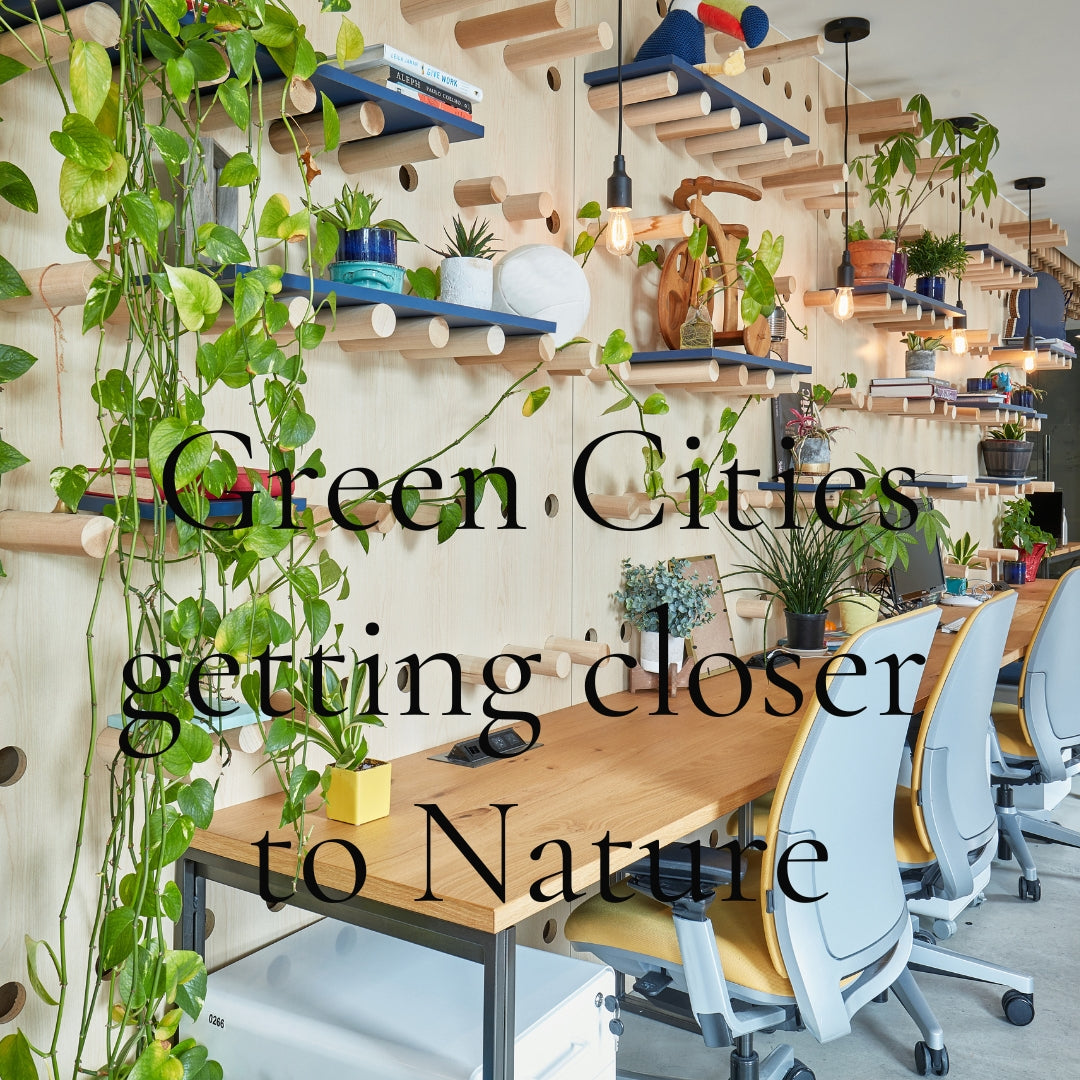
How Plants Are Transforming Modern Cities
Modern cities are often associated with concrete structures, pollution, and fast-paced lifestyles. However, there is a growing shift towards bringing nature back into urban spaces. From homes and offices to public infrastructure, greenery is slowly becoming an essential part of city living.
Today, individuals, architects, and governments are recognizing the importance of integrating plants into daily life. This shift is helping cities move from dull, grey landscapes to vibrant, green environments.
The Growing Need for Nature in Cities

As urbanization increases, people are spending more time indoors and away from natural surroundings. This disconnect from nature can affect both physical and mental well-being. Reintroducing greenery into homes and workspaces helps restore balance and improves overall quality of life.
Adding plants to living spaces is one of the simplest ways to reconnect with nature in a busy city environment.
Why Humans Naturally Connect with Plants

The human connection with nature is deeply rooted. This concept, often referred to as “biophilia,” explains why people feel calmer and more relaxed when surrounded by greenery.
Research shows that exposure to plants can reduce stress, improve mood, and increase productivity. This is why more workplaces and homes are incorporating greenery into their design.
Benefits of Plants in Urban Life
- Improve air quality by reducing pollutants
- Create a calming and visually pleasing environment
- Enhance focus and productivity in workspaces
- Support mental well-being and reduce stress
- Help regulate temperature and improve microclimate
Green Design in Commercial Spaces

Retail stores, offices, and shopping malls are increasingly adopting green design elements. Incorporating plants into interiors creates a welcoming environment and encourages people to spend more time in these spaces.
Biophilic design — the integration of natural elements into architecture — is becoming a key trend in modern commercial environments.
Public Spaces Are Becoming Greener

Cities around the world are transforming public areas such as parks, hospitals, schools, and transit stations by adding greenery. Living walls, rooftop gardens, and urban plantations are becoming more common.
These changes not only improve aesthetics but also contribute to better living conditions and environmental sustainability.
Example: Singapore’s Green City Model

Singapore is one of the best examples of a city that has successfully integrated nature into urban planning. The country has implemented policies that ensure greenery is maintained and replaced whenever development takes place.
From tree-lined highways to indoor forests and vertical gardens, Singapore demonstrates how cities can balance development with environmental responsibility.
How You Can Bring Green into Your Space
Creating a greener environment does not require large-scale changes. Small steps at home or in the office can make a meaningful impact.
- Add indoor plants to living and working spaces
- Use balcony or terrace gardens for small-scale greenery
- Create vertical gardens for compact spaces
- Choose low-maintenance plants for easy care
The Future of Green Cities
As awareness about sustainability grows, cities are expected to adopt more green infrastructure. Integrating plants into everyday life will play a key role in improving urban living conditions.
A greener city is not just about aesthetics — it is about creating healthier, more balanced environments for future generations.
Frequently Asked Questions
Q1. What is a green city?
A green city integrates plants, trees, and sustainable practices into urban planning to improve environmental and living conditions.
Q2. Why are plants important in cities?
Plants improve air quality, reduce stress, and help regulate temperature in urban environments.
Q3. How can I make my home greener?
You can add indoor plants, create balcony gardens, or use vertical gardening solutions.
Q4. Do plants really improve mental health?
Yes, studies show that being around greenery helps reduce stress and improves mood.
Q5. Are green cities sustainable?
Yes, green cities focus on long-term environmental balance and better living conditions.


