
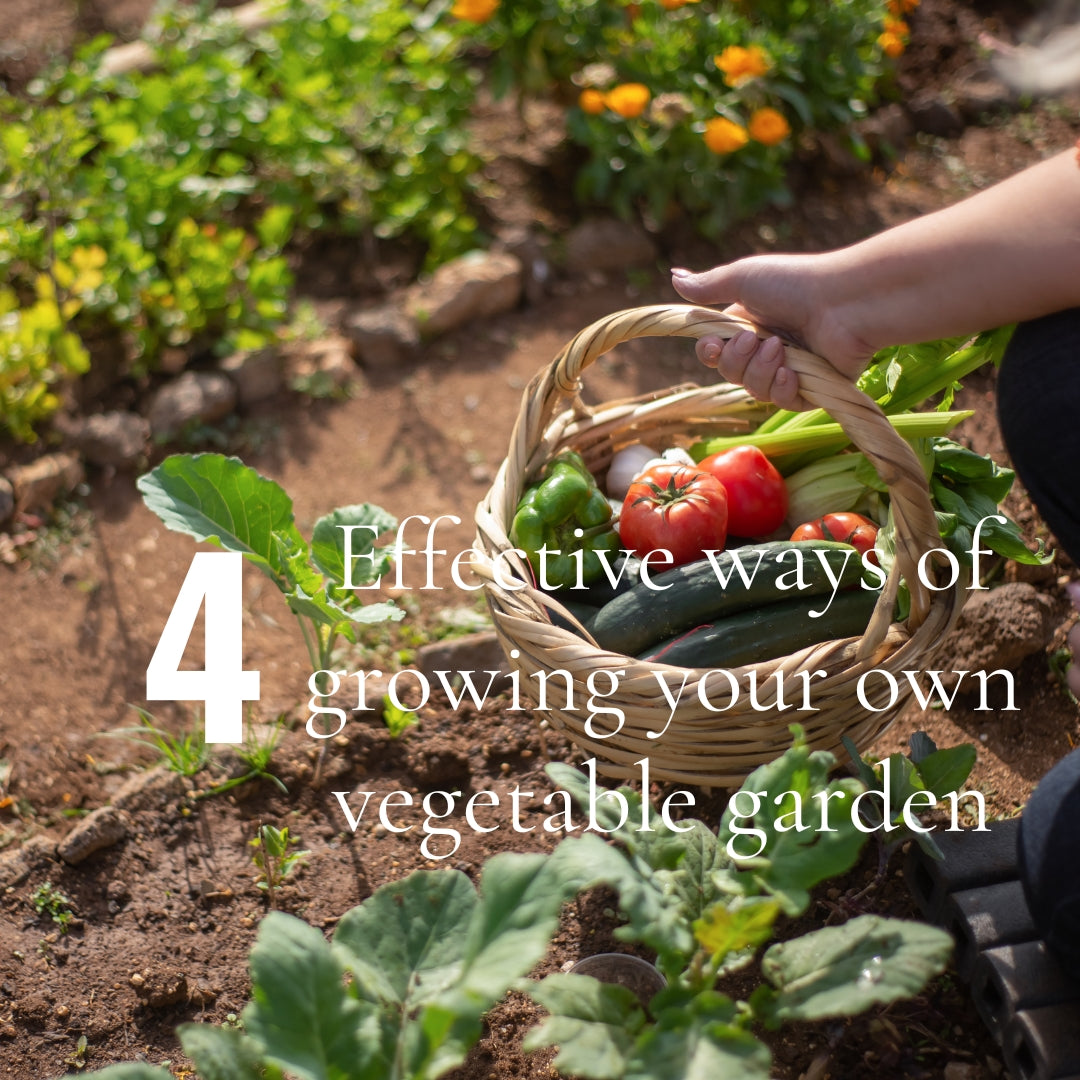
Essential Tips for Starting a Healthy Home Vegetable Garden
Growing your own vegetables at home is a rewarding and fulfilling experience. Not only do you enjoy fresh, chemical-free produce, but you also develop a deeper connection with nature. Whether you have a spacious backyard or a small balcony, starting a vegetable garden is easier than you think.
All you need is fertile soil, proper sunlight, and good-quality vegetable seeds. With the right approach, even beginners can successfully grow a thriving organic garden at home.
---
Choose the Right Location for Your Vegetable Garden
Sunlight is one of the most important factors for growing vegetables. Most vegetable plants require at least 5–6 hours of direct sunlight daily. Choose a location that receives consistent sunlight, whether it's a balcony, terrace, or garden.
If you have limited space, explore balcony gardening options using compact containers and vertical setups. You can browse our plants collection to find suitable options for small spaces.
---
1. Use Organic Compost for Better Soil Health
Healthy soil is the foundation of a successful vegetable garden. Rich, fertile soil supports strong root development and improves plant growth naturally.
Adding organic compost enhances soil structure and nutrient content. You can use kitchen compost, well-decomposed manure, or ready-made organic fertilizers. These provide essential nutrients and beneficial microorganisms that promote plant health.
Regular composting also improves moisture retention and reduces the need for chemical fertilizers, making your garden more sustainable.
---
2. Practice Crop Rotation
Crop rotation involves changing the position of plants each season. Growing the same vegetable repeatedly in one spot can deplete soil nutrients and increase the risk of pests and diseases.
By rotating crops, you maintain soil balance and improve plant health. For example, leafy vegetables can be followed by root crops or legumes to naturally restore nutrients.
---
3. Use Organic Mulch to Protect Soil
Mulching is an essential practice in organic gardening. Covering the soil with materials like dry leaves, straw, or compost helps retain moisture, regulate temperature, and prevent weed growth.
As mulch decomposes, it enriches the soil with organic matter, improving its fertility over time. This creates a healthier growing environment for your vegetables.
---
4. Control Weeds for Healthy Plant Growth
Weeds compete with your vegetable plants for water, nutrients, and sunlight. If not controlled, they can slow down plant growth and spread diseases.
Regular weeding ensures that your plants receive sufficient nutrients and grow efficiently. Mulching and proper spacing can also help reduce weed growth naturally.
---
Watering Your Vegetable Garden the Right Way
Proper watering is crucial for healthy plant growth. Overwatering can cause root rot, while underwatering can stunt plant development.
Water your plants early in the morning or late in the evening to reduce evaporation. Ensure that your pots or soil have proper drainage to avoid waterlogging.
Using containers like grow bags or well-drained planters can help maintain the right moisture balance for your plants.
---
Best Vegetables for Beginners
If you are new to gardening, start with easy-to-grow vegetables that require minimal care. Some beginner-friendly options include:
These plants grow well in containers and are suitable for both balconies and small gardens.
---
Start Your Organic Garden Journey
Vegetable gardening is a learning process that becomes more enjoyable with time. With the right techniques and consistent care, you can grow a productive and healthy garden at home.
Explore our range of vegetable seeds and gardening essentials to get started and create your own green space.
---
Frequently Asked Questions
Q1. Can I grow vegetables in a balcony?
Yes, many vegetables like tomatoes, spinach, and herbs grow well in containers and are ideal for balcony gardening.
Q2. How much sunlight do vegetable plants need?
Most vegetables require 5–6 hours of direct sunlight daily for healthy growth.
Q3. What is the best soil for growing vegetables?
A well-draining, nutrient-rich soil mixed with compost is ideal for vegetable gardening.
Q4. How often should I water my vegetable plants?
Watering frequency depends on the plant and climate, but generally once a day or when the topsoil feels dry is sufficient.
Q5. Which vegetables are easiest to grow for beginners?
Tomatoes, chillies, spinach, coriander, and mint are easy to grow and maintain.


