
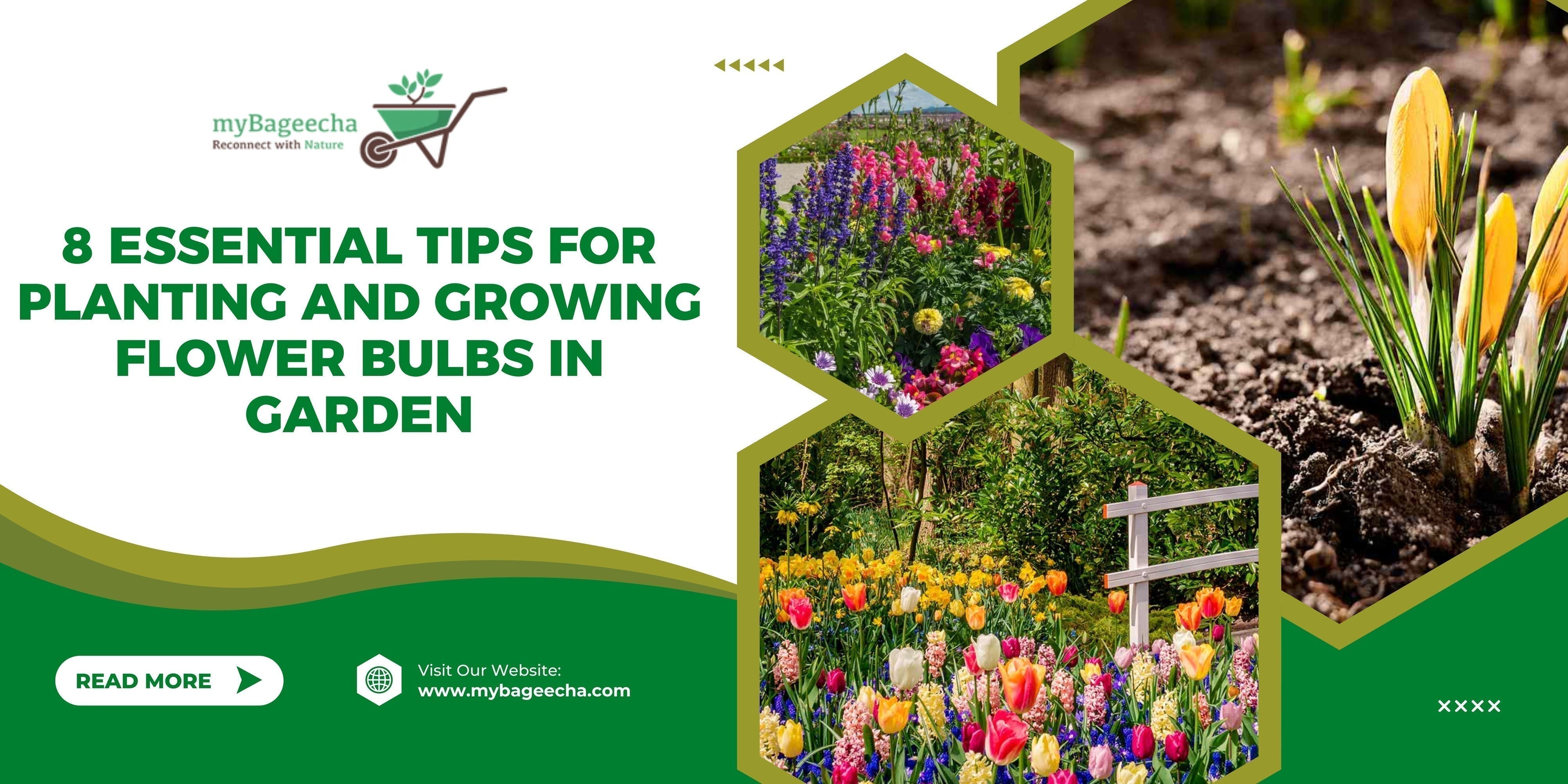
Simple Bulb Planting Tips for Healthy Roots & Vibrant Seasonal Blooms
Flower bulbs are nature’s little treasures, bringing vibrant colours, fragrance, and seasonal beauty to gardens, balconies, and outdoor spaces. Whether you are a beginner gardener or an experienced plant lover, growing bulbs can create stunning floral displays with relatively little effort. From tulips and lilies to gladiolus and daffodils, the right planting techniques help bulbs bloom beautifully year after year.
In this guide, we share 8 essential tips for planting and growing flower bulbs successfully, covering soil preparation, watering, planting depth, pest protection, and seasonal care for healthy blooms.
🌷 Choose the Right Bulbs
The foundation of a successful bulb garden begins with selecting healthy bulbs suited to your climate, sunlight, and soil conditions. Some bulbs thrive in full sun, while others prefer partial shade or cooler conditions.
When shopping for flower bulbs, choose bulbs that are firm, plump, and free from mold, cuts, or soft spots. Healthy bulbs establish faster roots and produce stronger flowering plants.
Pro Tip: Larger, healthier bulbs usually produce stronger flowers and better flowering performance.
📅 Timing is Crucial
Planting bulbs at the correct time plays a major role in flowering success. Most flowering bulbs are planted during cooler months so they can establish roots before active growth begins.
Spring-flowering bulbs are usually planted in autumn, while summer bloomers such as gladiolus and dahlias are planted after winter when the soil begins to warm up. Always check the recommended planting season for your chosen bulb variety.
Proper planting timing ensures stronger growth, healthier roots, and more abundant blooms.
🌱 Prepare the Soil Properly
Healthy soil is essential for long-lasting flowering and root development. Remove weeds, stones, and debris from the planting area before loosening the soil to improve aeration and drainage.
Mix organic compost, cocopeat, leaf mould, or other organic matter into the soil to improve fertility and moisture retention. Heavy clay soils can be improved with sand or perlite for better drainage.
For healthier root growth and better drainage, explore our range of Growing Media suitable for flower bulbs and seasonal flowering plants.
📏 Planting Depth Matters
Planting bulbs too shallow may expose them to heat and pests, while planting too deep can delay or reduce flowering. As a general rule, bulbs should be planted at a depth around two to three times their height.
Place bulbs with the pointed end facing upward and cover gently with soil. Proper spacing between bulbs also improves airflow and helps plants develop evenly.
Pro Tip: Use a bulb planter or hand trowel to maintain consistent planting depth across beds and containers.
💧 Provide Adequate Water
Water bulbs thoroughly immediately after planting to settle the soil and encourage root growth. During the growing season, maintain lightly moist soil without overwatering.
Overwatering can cause bulb rot and fungal diseases, especially in poorly drained soil. Water deeply but allow excess moisture to drain freely.
Bulbs growing in containers and balcony planters may require more frequent moisture checks during warm weather.
🌿 Fertilize Wisely
Flower bulbs benefit from balanced nutrition during active growth and flowering. Use slow-release or phosphorus-rich Organic Fertilizers to support root establishment, flowering, and healthy foliage.
Avoid fertilizers that are excessively high in nitrogen, as they may encourage leafy growth with fewer flowers.
Pro Tip: Feeding bulbs after flowering helps replenish energy reserves for the next blooming season.
🐛 Protect from Pests & Diseases
Pests, fungal infections, and bulb rot can affect flowering performance if not controlled early. Inspect bulbs before planting and remove any damaged or unhealthy bulbs.
Mulching helps suppress weeds and maintain moisture balance, while proper spacing improves airflow and reduces fungal problems.
For natural plant protection, explore our Bio-Pesticides suitable for flowering plants and bulb gardens.
🍂 Allow Natural Dormancy
After flowering, bulbs naturally enter a resting phase where they store energy for the next blooming cycle. Allow leaves and foliage to yellow and dry naturally before removing them.
Prematurely cutting green leaves can weaken bulbs and reduce flowering in future seasons. Once foliage has dried completely, bulbs can be cleaned, divided, or stored depending on the variety.
🌸 Conclusion
Planting and growing flower bulbs can transform gardens, balconies, and outdoor spaces with vibrant seasonal colour and texture. With the right bulb selection, healthy soil, proper watering, and seasonal care, you can enjoy beautiful blooms year after year.
Explore premium Flower Bulbs, gardening essentials, and plant care products at myBageecha to create a thriving flowering garden at home.
Frequently Asked Questions
When should flower bulbs be planted?
Most flower bulbs are planted during cooler months, while summer-flowering bulbs are planted after winter once temperatures begin to rise.
Do flower bulbs need full sunlight?
Many flowering bulbs prefer bright sunlight, though some varieties grow well in partial shade depending on the species.
How deep should flower bulbs be planted?
Most bulbs are planted at a depth two to three times their height for healthy root development and flowering.
Can flower bulbs grow in pots and balconies?
Yes. Many flowering bulbs grow very well in containers, balcony planters, terrace gardens, and outdoor pots with proper drainage.
Why are my flower bulbs not blooming?
Poor sunlight, shallow planting, overcrowding, excess watering, or weak bulbs can reduce flowering performance.


