
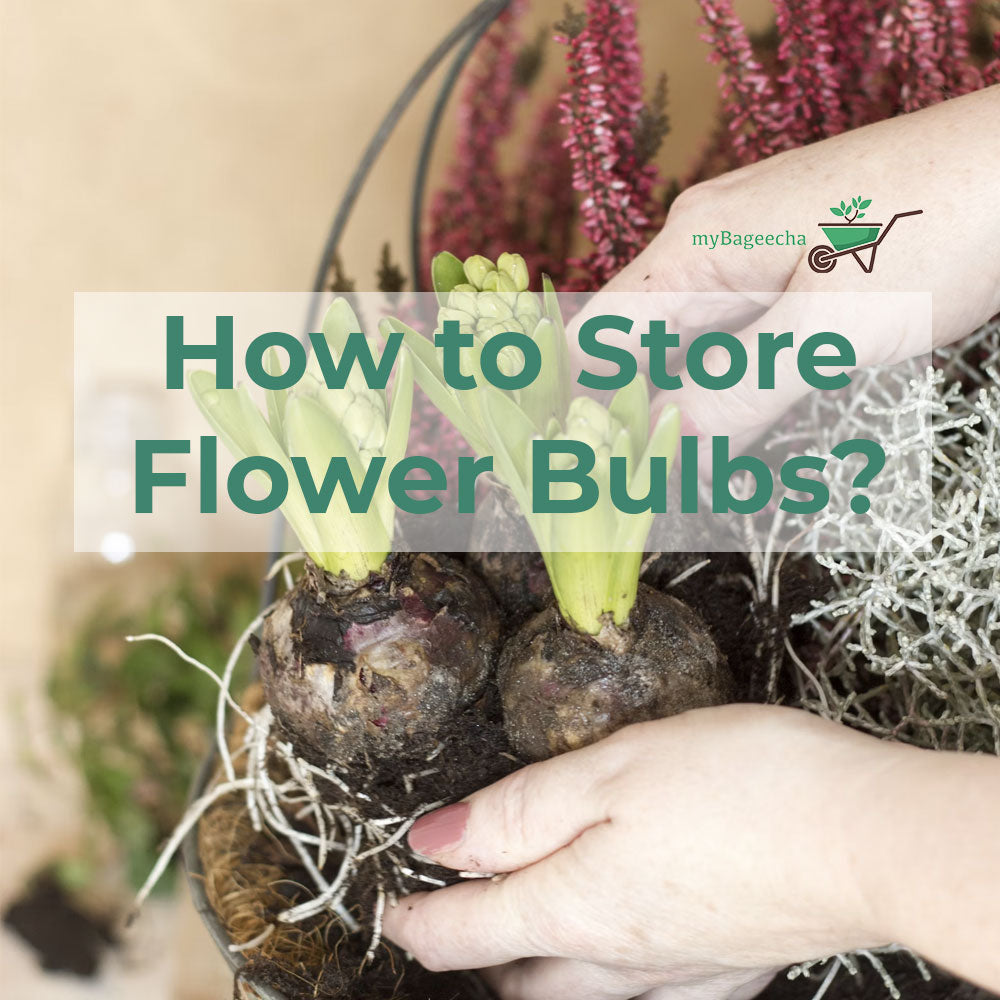
🌷 Simple Bulb Storage Tips to Prevent Rot & Preserve Healthy Bulbs
Flowering bulbs are nature’s hidden treasures 🌼, storing all the nutrients and energy needed to produce vibrant seasonal blooms. From tulips and lilies to gladiolus and ranunculus, healthy bulbs can flower beautifully year after year when stored correctly during their resting period.
Many gardeners focus only on planting and flowering, but proper bulb storage is equally important for maintaining bulb health, preventing fungal problems, and ensuring successful blooming in the next growing season.
Whether you are saving leftover bulbs, lifting bulbs from your garden, or storing seasonal varieties for future planting, this guide explains simple and practical ways to store flowering bulbs successfully at home.
🌱 Why Proper Storage of Flowering Bulbs Matters
Flower bulbs are living storage structures that remain dormant between growing seasons. Improper storage conditions can cause bulbs to dry out, rot, develop fungus, or lose flowering strength.
Bulbs such as tulips, lilies, gladiolus, hyacinths, and daffodils require cool, dry, and well-ventilated conditions to remain healthy until replanting time.
Following the correct storage process helps preserve bulb quality, improve flowering performance, and reduce seasonal losses.
Note: The steps below mainly apply to bulbs lifted from your garden after flowering. If you purchase fresh bulbs, you can begin directly from the storage stage.
🪴 Essential Tips for Storing Flowering Bulbs
1. Lift bulbs at the correct time
Wait until the foliage naturally yellows and dries before digging up bulbs. This allows nutrients from the leaves to return back into the bulb, helping it store energy for the next flowering cycle.
Lifting bulbs too early may weaken future flowering performance and reduce blooming strength.
- Pro Tip: Use a garden fork or hand tool carefully to avoid cutting or bruising bulbs while lifting.
2. Clean and cure bulbs properly
After lifting, gently remove excess soil from the bulbs without washing them with water. Bulbs should then be dried or “cured” in a shaded, airy location for a few days before storage.
Proper curing reduces excess moisture and helps prevent fungal infections and bulb rot during storage.
Avoid drying bulbs in direct harsh sunlight, as excessive heat can damage them.
3. Inspect and sort healthy bulbs
Carefully inspect all bulbs before storing them. Healthy bulbs should feel firm, dry, and free from cuts, mold, soft patches, or pest damage.
Discard damaged or diseased bulbs immediately to prevent infections from spreading to healthy bulbs during storage.
Sorting bulbs by variety and flowering season also makes replanting easier later.
4. Use breathable storage containers
Flower bulbs require good airflow during storage. Mesh bags, paper bags, cardboard boxes, wooden trays, or baskets are ideal because they allow moisture to escape naturally.
Avoid plastic containers or airtight bags, as trapped humidity encourages fungal growth and rotting.
- Storage Tip: Dry newspaper, cocopeat, or peat moss can help absorb excess moisture around stored bulbs.
5. Maintain cool and dry storage conditions
Most flowering bulbs store best in cool, dry, and dark locations with good ventilation. Excess humidity, direct sunlight, or fluctuating temperatures can shorten bulb life.
In humid Indian climates, especially during monsoon, storing bulbs in airy indoor spaces becomes even more important.
Keep bulbs away from ripening fruits like apples and bananas because ethylene gas can damage dormant bulbs.
6. Label bulbs for easy identification
Label storage bags or containers with bulb names, colours, and planting seasons to avoid confusion later.
This becomes especially useful when storing multiple bulb varieties together for different flowering seasons.
7. Inspect stored bulbs regularly
Check stored bulbs every few weeks to ensure they remain healthy and dry. Remove any bulbs showing signs of fungus, softness, or excessive drying immediately.
Regular inspection prevents problems from spreading and helps maintain healthy planting stock for the next season.
⚠️ Common Mistakes to Avoid While Storing Bulbs
- Skipping curing: Moist bulbs are far more likely to rot during storage.
- Using airtight containers: Poor ventilation encourages fungal growth and excess humidity.
- Storing damaged bulbs: Diseased bulbs can infect healthy ones nearby.
- Excess heat exposure: Warm storage areas can dry out bulbs prematurely.
- Forgetting labels: Makes seasonal planting difficult later.
📅 When Should Flower Bulbs Be Replanted?
Most flowering bulbs are replanted during fall or spring depending on the variety and local climate conditions. Properly stored bulbs establish roots faster and usually perform better during the flowering season.
Before planting again, inspect bulbs carefully and prepare healthy soil using suitable Growing Media for strong root development.
🌸 Final Thoughts
Proper storage helps flowering bulbs remain healthy, dormant, and ready for the next growing season. By controlling moisture, airflow, and temperature, gardeners can preserve bulb quality and enjoy beautiful seasonal blooms year after year.
Explore different Flower Bulbs at myBageecha to create colourful gardens, balcony displays, and seasonal floral arrangements at home.
Frequently Asked Questions
How long can flower bulbs be stored?
Many flower bulbs can be stored for several months when kept in cool, dry, and well-ventilated conditions.
Can bulbs rot during storage?
Yes. Excess moisture, poor airflow, and damaged bulbs can cause fungal growth and bulb rot during storage.
Should flower bulbs be refrigerated?
Some bulbs require cool storage, but avoid placing them near fruits because ethylene gas can damage bulbs.
Can flowering bulbs be stored in plastic bags?
Plastic bags are generally not recommended because they trap moisture and reduce airflow around the bulbs.
Why should foliage dry before lifting bulbs?
Drying foliage allows nutrients to return into the bulb, helping it store energy for the next flowering cycle.


1 comment
Nila Miraj
I have purchased Iris Apollo bulbs from u
You. Please guide step by step to plant these. Need info on type of soil etc. Your early response is highly appreciates.
Should I soak bulbs in water overnight before planting .