

Daily
Water Requirement

Red
Flower Color

Non Fragrant
Fragrance

Spring
Flowering Season

No
With Pots

Small
Size

Outdoor Shade,Outdoor Sun
Sunlight Requirement

Balcony,Low Maintenance
Use
Cupid's bower
Family
Alstroemeriaceae
Origin
South America
Description
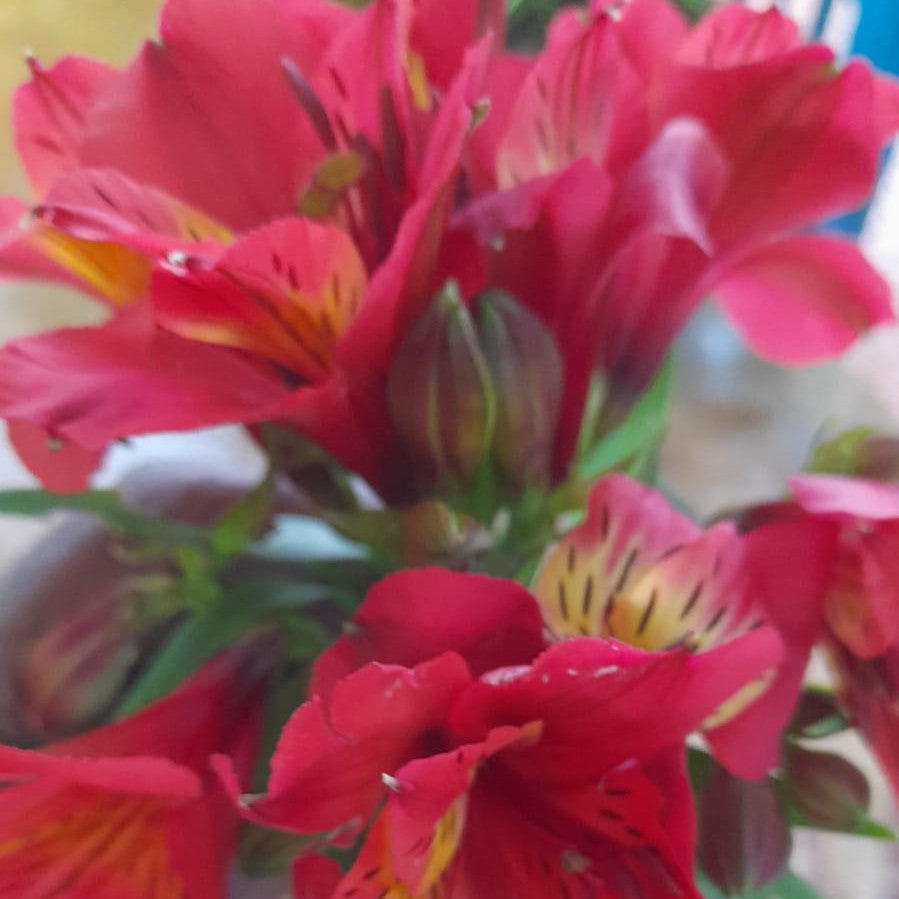
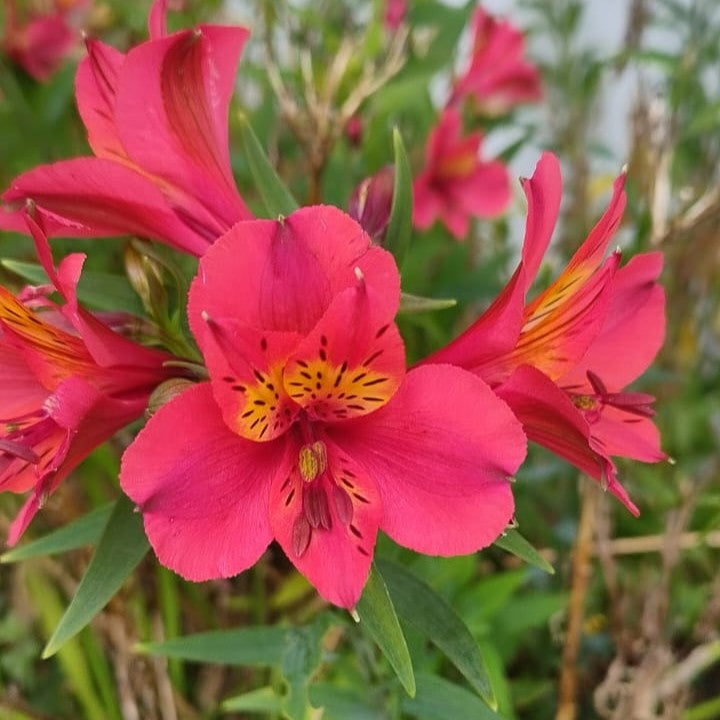
Alstroemeria 'Red Baron' (Peruvian Lily) is an eye-catching perennial known for its clusters of vibrant red flowers featuring a bright yellow center and striking burgundy markings. Valued for its extended vase life and impressive stem length, it adds vivid color to garden beds, pots, and floral arrangements.
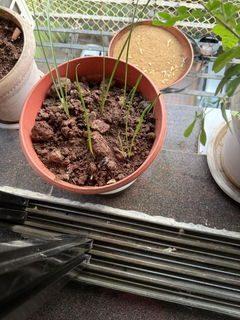
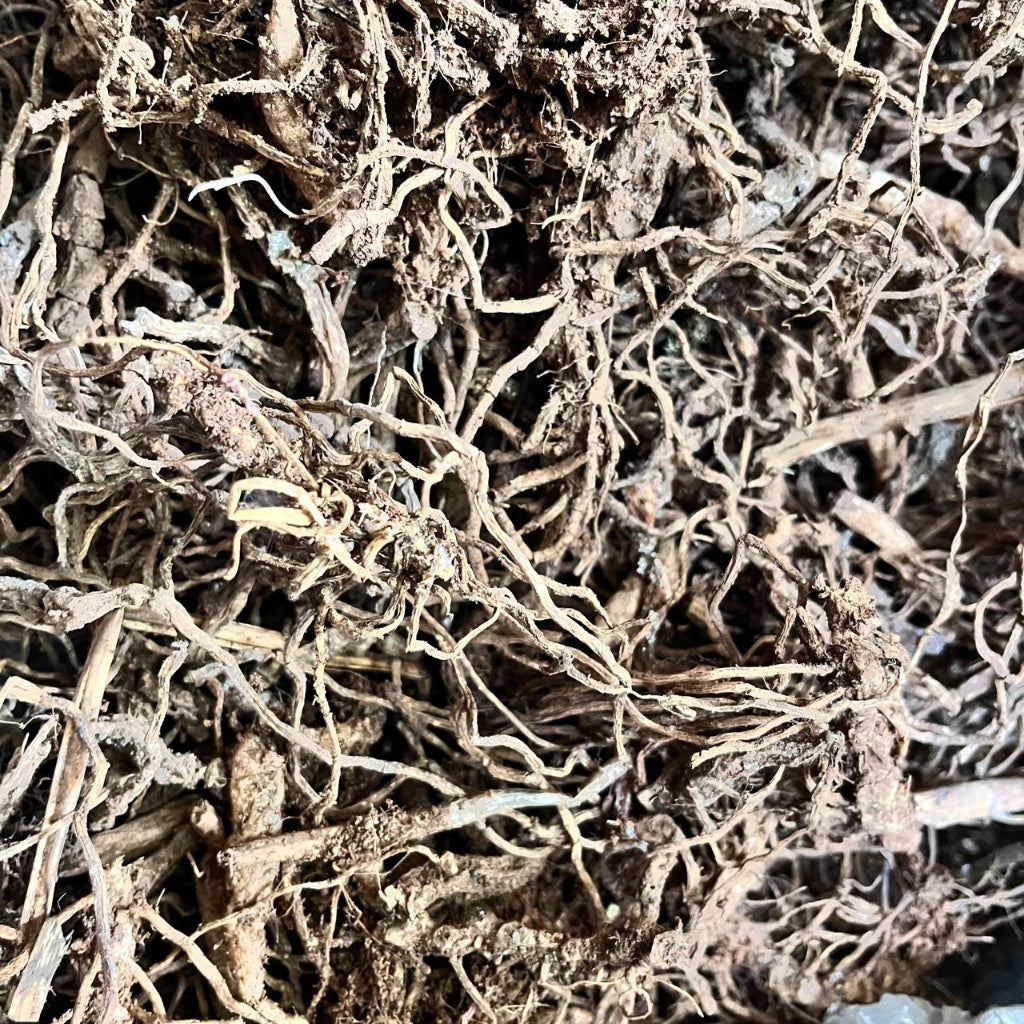
Plant the tubers in early spring (February–March) in plains or during autumn (October–November) in warmer climates. Flowering typically occurs from late spring (April/May) and continues through summer into early autumn (approximately April–October).
Environment
Alstroemerias need full sun to flower well and should be grown in reasonably fertile and well drained soil. Choose a sheltered spot, ideally away from prevailing winds, and add organic matter to the soil before planting. In pots, use a peat-free. soil-based potting compost.
Alstroemeria is a hardy herbaceous perennial, which means it lives for many years, with growth that dies back to the ground each winter. Ideally, plant alstroemerias in spring so they can settle in before flowering, spacing them 60 cm apart. For cut flowers, grow alstroemerias in an out of the way spot or 'cuttings patch' if you have space, such as on an allotment.
Landscape Use
Alstroemerias look fantastic in a sunny border amongst other perennials and shrubs, and they look particularly good with roses.