


Daily
Water Requirement

Outdoor Sun
Sunlight Requirement

Winter
Sowing Season

Perennial
Type

Balcony,Outdoor
Use
Asparagus Mary Washington– Perennial herb with tender green shoots
Family
Liliaceae
Origin
Europe
Description
Asparagus is easy to grow, dioecious, perennial herb - an unusual vegetable with a unique gourmet flavour. It has scale-like leaves and an erect, multi branched stem that grows up to 3 m in height.
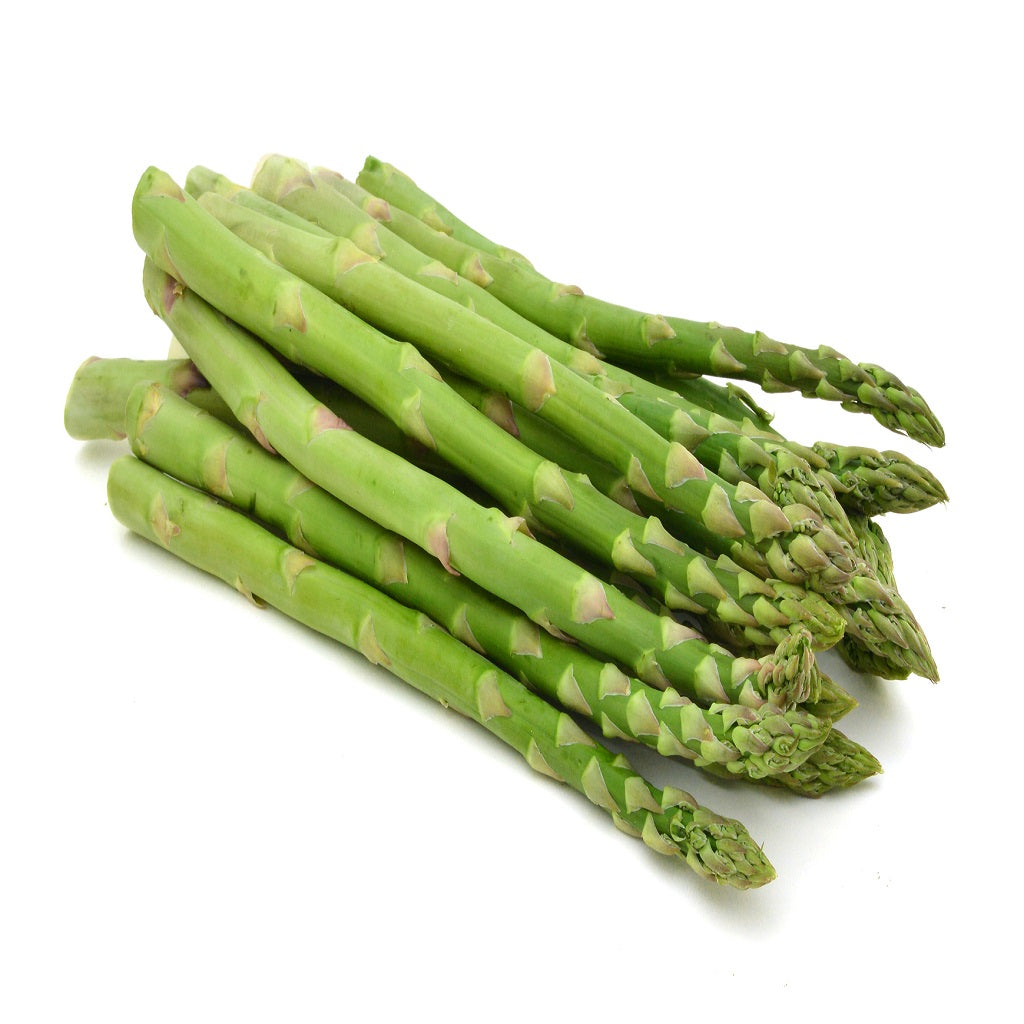
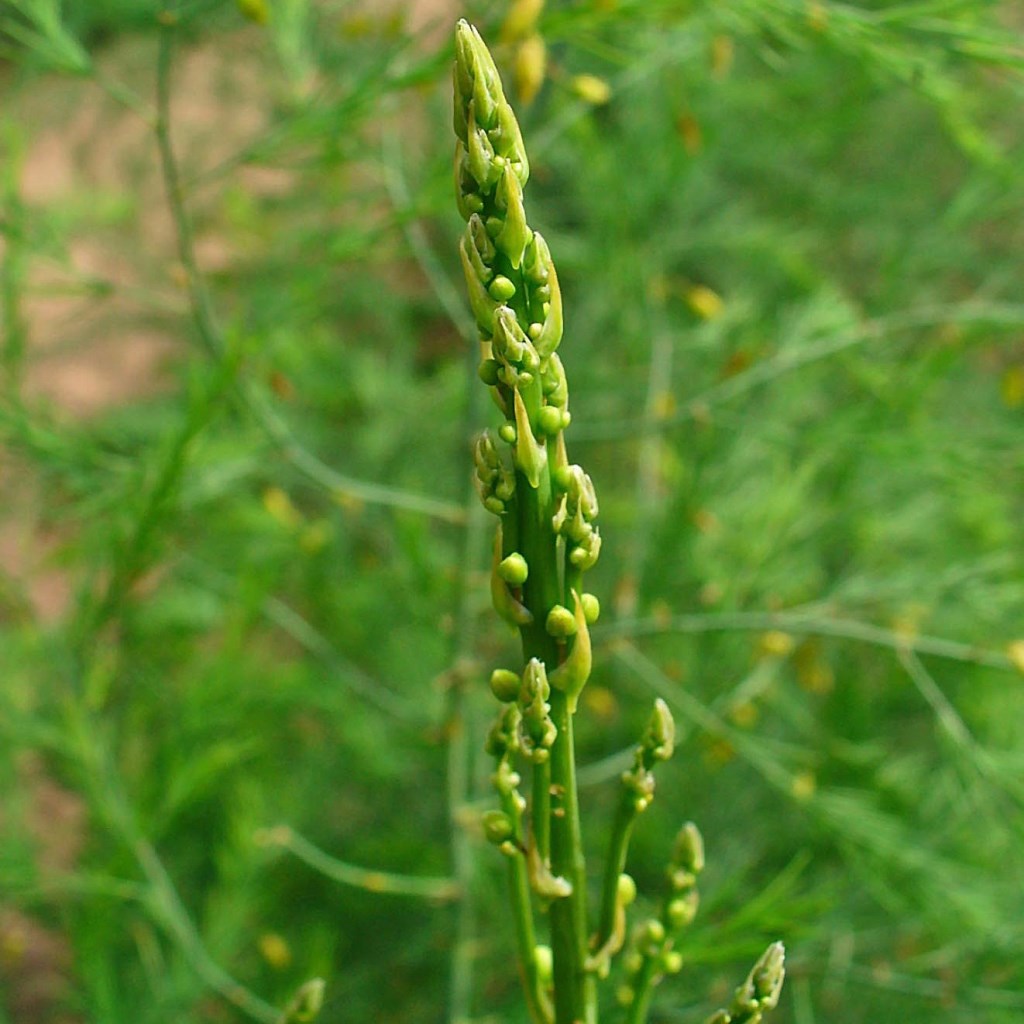
The aerial stems or spears arising from rhizomes are consumed as a vegetable, harvested when 2-3 cm thick and about 15-20cm long. These shoots called spears, if left to keep growing, will develop into soft, ferny fronds a metre or more high.
Cream/ green, bell-shaped flowers, form in stem axils of male plants. Female plants produce smaller, quite inconspicuous flowers, that develop into small, round, red 1 cm berries, which are seed capsules, containing several round, black seeds. The fleshy roots and, to a lesser degree, seeds have been used for medicinal purposes
Environment
Plant asparagus in a well-drained, permanent position in the garden as it may grow for ten or more years. Loose, deep soil with compost and old manure added, is important, as asparagus is a heavy feeder. The more decomposing mulch material supplied during the formative period, the better. This will help develop the strong root system. Some growers plant the rhizome divisions in 20cm deep trenches, filling the trench with soil or humus as crowns develop.
Stems that go dormant in winter are cut near the ground and the plants thickly mulched, even with seaweed straight from the beach as plants thrive on this mineral-rich, salty mulch. Feed plants regularly. Asparagus is a useful companion around tomatoes, pawpaws, parsley, rhubarb, raspberries, basil and comfrey. Planting comfrey nearby can provide a close source of leaves to pick for mulch, and asparagus loves liquid manure made with comfrey.
Landscape Use
Containers, Small Vegetable Garden


