


Fertilizers
Use
Organic Phosphorus Fertilizer for Strong Roots, Bulbs & Flowering
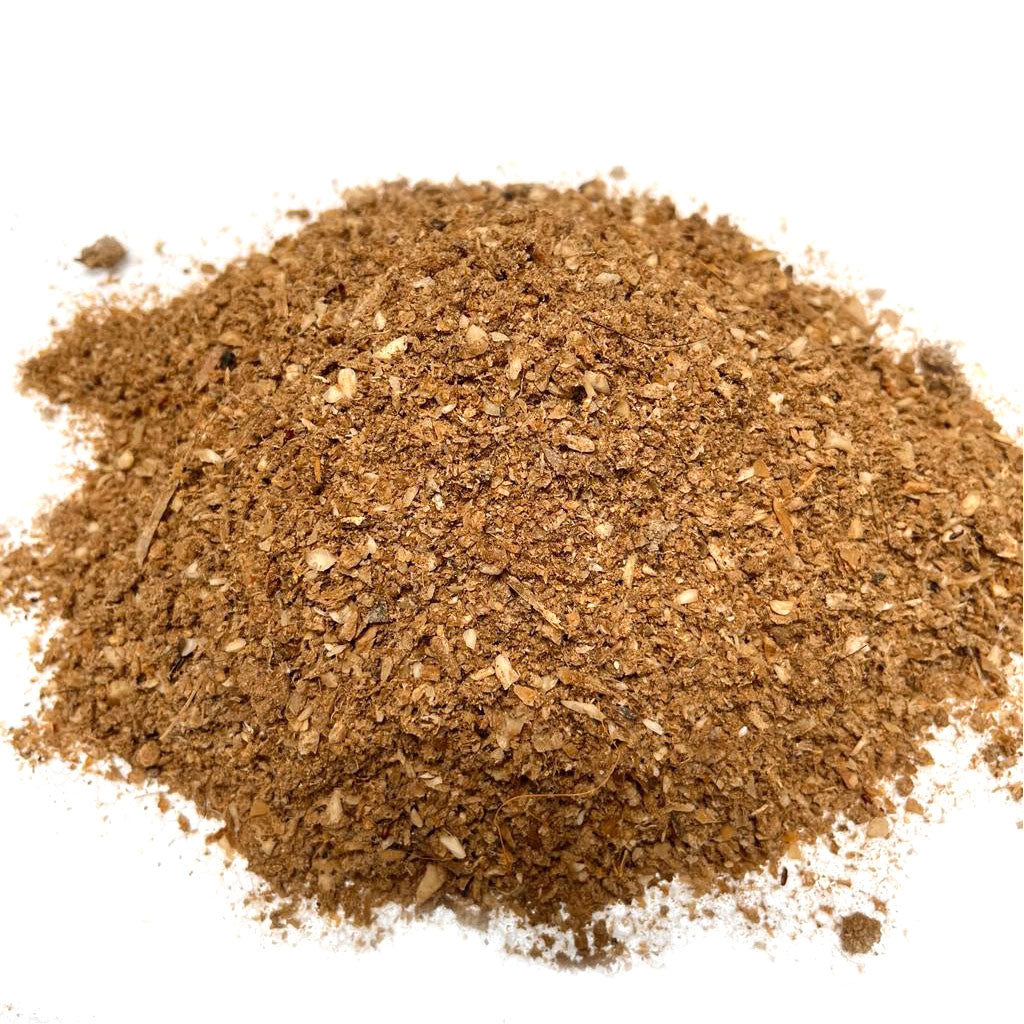
Bone meal is a natural fertilizer made from steamed and crushed animal bones. It is valued primarily as a source of phosphorus, along with calcium and smaller amounts of nitrogen, making it useful for supporting root development, flowering and overall plant growth.
The phosphorus in bone meal supports healthy root development and can encourage flowering, while its calcium content contributes to overall plant nutrition. Bone meal is relatively slow acting, allowing nutrients to become available gradually rather than all at once. This makes it particularly useful when incorporated into the soil before or around the time of planting.
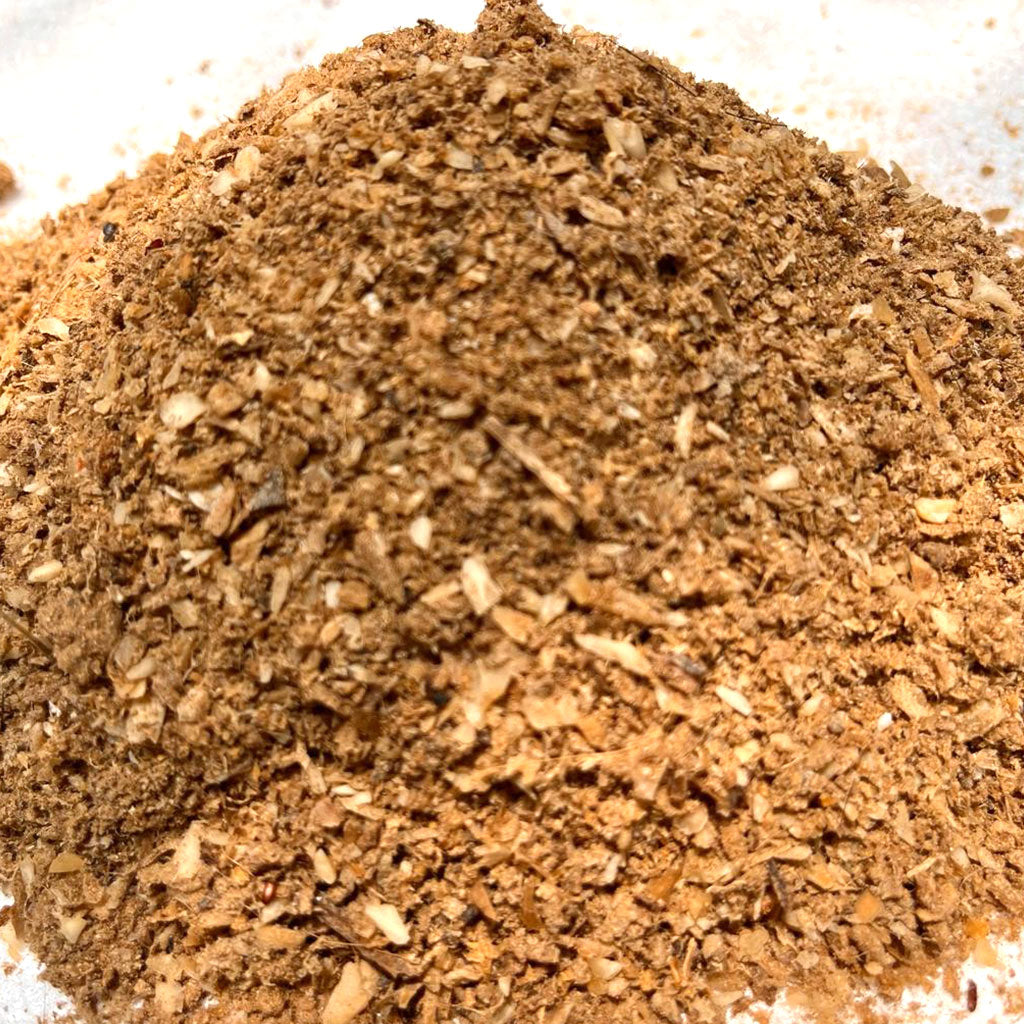
Bone meal is especially useful for flowering plants, roses, hibiscus, tuberose, dahlias and flowering bulbs. Its coarse form can release nutrients gradually over an extended period, making it suitable as a longer-lasting soil amendment when used according to the needs of the plant and existing soil conditions.
Benefits of Bone Meal
- Provides phosphorus to support healthy root development.
- Supplies calcium as part of overall plant nutrition.
- Supports flowering and bloom development in suitable plants.
- Provides a gradual source of nutrients for the growing medium.
- Particularly useful for flowering plants, bulbs and plants being established from new planting material.
How to Use Bone Meal Fertilizer
- General Application: Apply approximately 1 tablespoon for every 2 square feet of growing area and mix it well into the soil.
- For Bulbs: When planting bulbs, approximately ½ teaspoon per plant can be incorporated into the planting area.
- For Established Plants: Mix bone meal into the upper 1–3 inches of soil, taking care not to damage the roots.
- For New Planting: Mix the bone meal thoroughly with the surrounding soil so that it is distributed around the developing root zone rather than concentrated in one spot.
- Watering: Water the area after application to help incorporate the fertilizer into the growing medium.
When to Apply Bone Meal
Because bone meal is relatively slow acting, it is best incorporated into the soil before plants require the nutrients. It can be applied during planting or incorporated into the soil ahead of the active growing and flowering period. Application timing should be adjusted according to the plant, soil conditions and growing season.
Where Not to Use Bone Meal
- Acid-Loving Plants: Use caution with plants such as rhododendrons, azaleas, camellias and heathers, particularly where maintaining an acidic soil environment is important.
- High-pH Soil: Use carefully where soil pH is already high. Soil conditions should be considered before adding calcium-containing amendments.
- Pet Areas: Bone meal can attract dogs because of its animal-derived nature. Where pets have access to the garden, incorporate and water in the product thoroughly rather than leaving it exposed as a surface application.
Frequently Asked Questions
What is bone meal fertilizer?
Bone meal is a natural fertilizer made from processed animal bones. It is primarily valued for its phosphorus content and also provides calcium and smaller amounts of nitrogen.
What is bone meal used for in plants?
Bone meal is mainly used to support root development and flowering. It is particularly useful for flowering plants, bulbs and other plants that benefit from additional phosphorus.
Is bone meal good for flowering plants?
Bone meal can be useful for flowering plants because it provides phosphorus, an important nutrient involved in root development and reproductive growth. It should be used according to the needs of the plant and existing soil conditions.
Is bone meal good for bulbs?
Bone meal can be incorporated into the soil when planting flowering bulbs. Its phosphorus content can support root establishment and flowering when used appropriately.
Which plants benefit from bone meal?
Bone meal is commonly used for flowering plants such as roses, hibiscus, tuberose and dahlias, as well as flowering bulbs. Its suitability depends on the plant's nutritional requirements and the existing soil conditions.
How do I use bone meal in pots?
Mix the recommended quantity thoroughly into the potting soil rather than leaving it concentrated on the surface. Water after application to help incorporate the fertilizer into the growing medium.
How often should bone meal be applied?
Bone meal is relatively slow acting, so it does not generally require frequent application. Follow the recommended quantity for the product and consider the plant's growing cycle, soil condition and other fertilizers being used.
Is bone meal a slow-release fertilizer?
Yes. Bone meal releases its nutrients gradually as it breaks down in the growing medium. The rate at which nutrients become available depends on factors such as soil conditions, microbial activity and the form of the bone meal.
Can bone meal be used for all plants?
No. Bone meal should not be treated as a universal fertilizer. Consider the plant's nutritional requirements and soil pH before applying it, particularly for plants that prefer acidic conditions or soils that already contain sufficient phosphorus or calcium.
Can too much bone meal harm plants?
Excessive use of any fertilizer or soil amendment can disturb nutrient balance. Apply bone meal according to the recommended quantity and avoid repeated applications without considering the existing soil and fertilizer program.
Can bone meal be used around pets?
Bone meal may attract dogs because it is made from animal bones. In gardens accessible to pets, mix it into the soil and water the area after application rather than leaving it exposed on the surface.
Storage
Store bone meal fertilizer in a cool, dry and covered place away from moisture and direct sunlight. Keep the package sealed when not in use and store it away from children and pets.
Complementary Products
Bone meal can be combined with other organic fertilizers as part of a balanced plant nutrition program. Explore our growing media for suitable soil amendments and growing mediums for different plants and planting needs.


