


Potting Media
Use
Irregular Clay Balls for Drainage
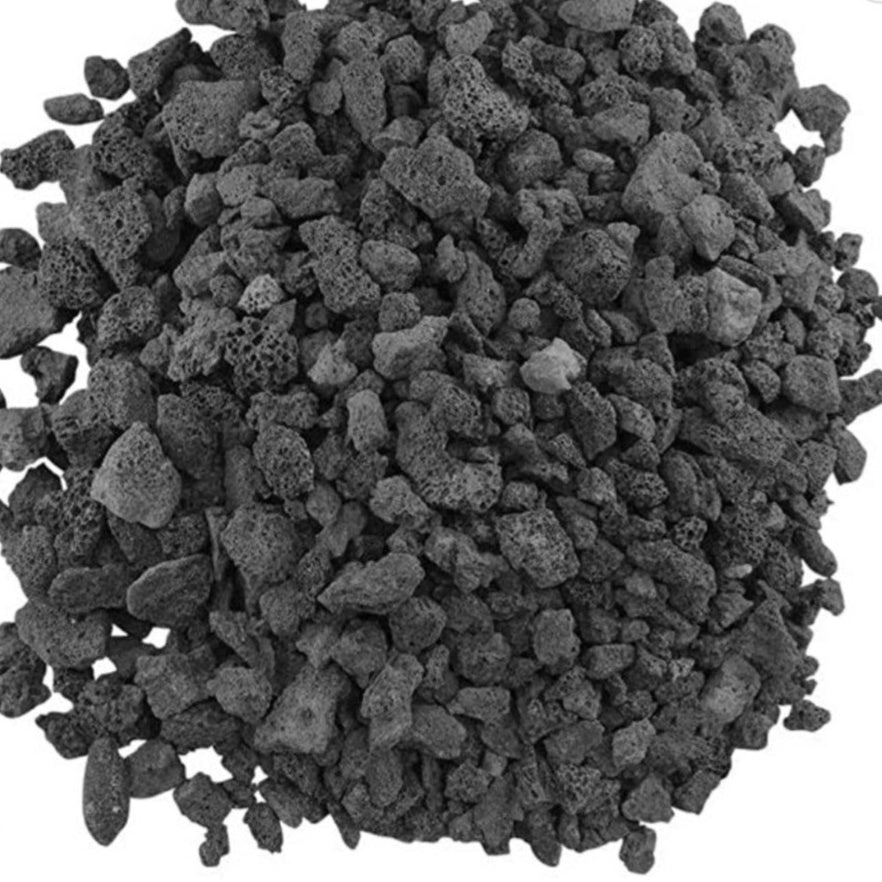
ECA, or broken clay aggregates, are fragments or pieces of fired clay materials commonly used in horticulture and landscaping. These byproducts of broken clay items are highly valued for their practical uses in plant care and gardening. BCA provides proper oxygen levels for root growth and has a water absorption rate of 18-22%, making it ideal for water retention while also allowing excess water to be drained out. It has a neutral pH, is termite-free, blocks algae and fungus, and repels mosquitoes and gnats. Additionally, it helps prevent soil cracking and crushing while remaining clean, odourless, and free of toxic minerals.
Uses in Gardening:
-
Drainage Layer in Pots:
-
Placed at the bottom of containers to enhance drainage and prevent root rot.
-
Helps keep excess water away from the root zone.
-
-
Soil Aeration:
-
Mixed into potting soil to improve air circulation around roots.
-
Particularly useful in heavy or compacted soils.
-
-
Mulching:
-
Used as a top layer to retain moisture and suppress weed growth.
-
Helps maintain even soil temperature.
-
-
Propagation and Potting Mixes:
-
A common component in orchid, Adeniums, Cactus and succulent potting mixes.
-
Provides a stable, well-drained base for aerial-rooted plants.
-
-
Aqua scaping and Terrariums:
-
Sometimes used in the bottom layer of terrariums or aquascapes for drainage and aesthetic effect.
-
Benefits
-
Porous: Absorbs and slowly releases moisture, helping maintain humidity.
-
pH Neutral (mostly): Doesn’t usually affect soil pH significantly.
-
Durable: Doesn’t degrade easily over time.
-
Inorganic: Won’t decompose, making it a stable component in potting mixes.
Notes
-
Clean Before Use: Rinse well to remove dust or contaminants before adding to pots.
-
Size Matters: Use appropriately sized fragments for the pot size; too large can interfere with root development.
-
Not a Fertilizer Substitute: It improves structure but doesn’t provide nutrients.


