
1.Proper soil preparation is crucial for planting bulbs successfully. Well-draining, loose soil enriched with compost or leaf mold. Ensure excellent drainage; if your soil is clay-heavy, mix in some coco peat.
2.Ensure the bulbs receive 4 to 6 hours of sunlight daily, adjusting the light exposure according to the specific variety some prefer partial shade while others require full sun.
3.Plant bulbs at a depth two to three times their height (e.g., a 2 cm bulb goes 4–6 cm deep) with spacing depending on size, typically 5–15 cm apart.
4.Water lightly after planting, keep soil moist but not waterlogged during growth, and reduce watering after flowering to let foliage yellow and bulbs enter dormancy. 5.Apply a low-nitrogen, high-potassium fertilizer when shoots emerge and post-bloom.
6.Avoid cutting green leaves immediately after flowering to allow energy storage.
7.Prevent pests and diseases by avoiding overwatering and treating bulbs with neem oil or mild fungicide before planting.
8.Store bulbs off-season by cleaning, drying in shade, and keeping them in breathable containers at 10–20°C with moisture absorbers; avoid sealed plastic and humid conditions.


Daily
Water Requirement

Lavender
Flower Color

Non Fragrant
Fragrance

Summer
Flowering Season

Hosta
Genus

Medium
Maintenance

Medium
Size

Yes
With Pots

Indoor Filtered Light,Outdoor Shade
Sunlight Requirement

Balcony,Living Room
Use
Blue Hostas
Family
Asparagaceae
Origin
Northeast Asea
Description
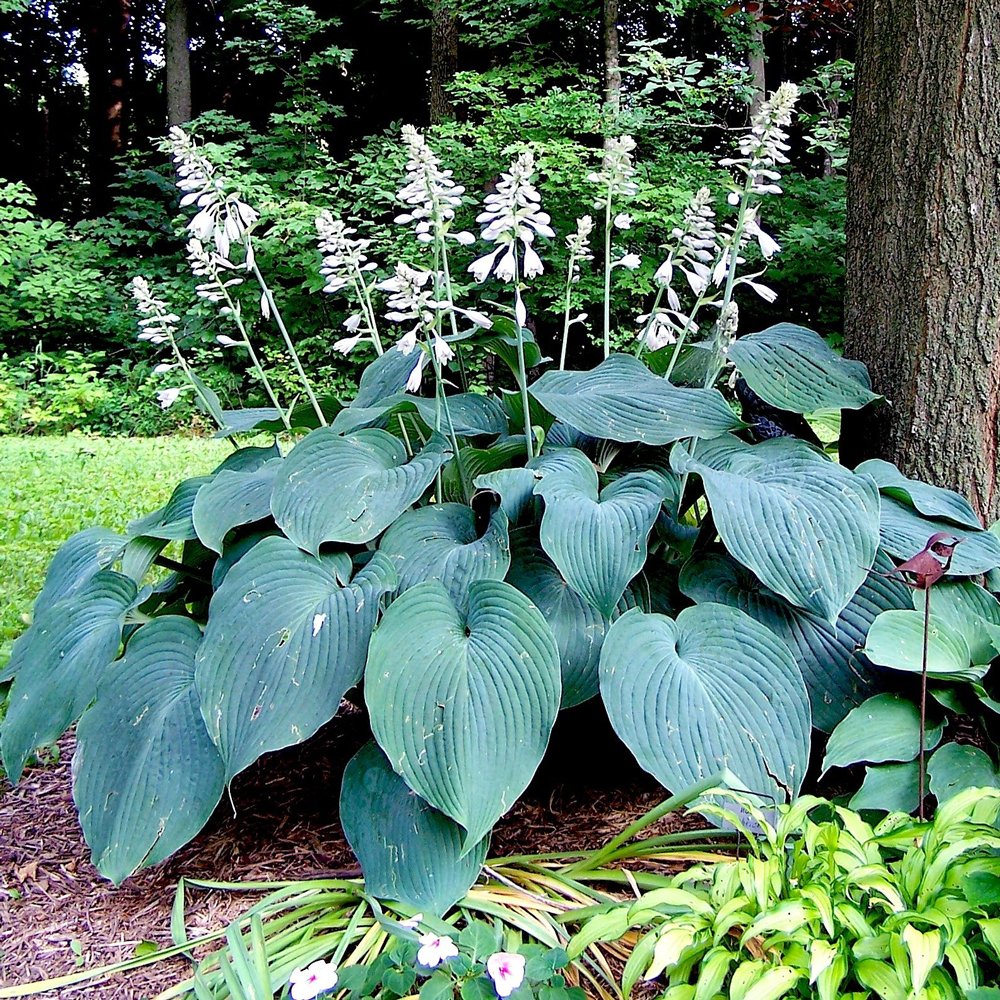
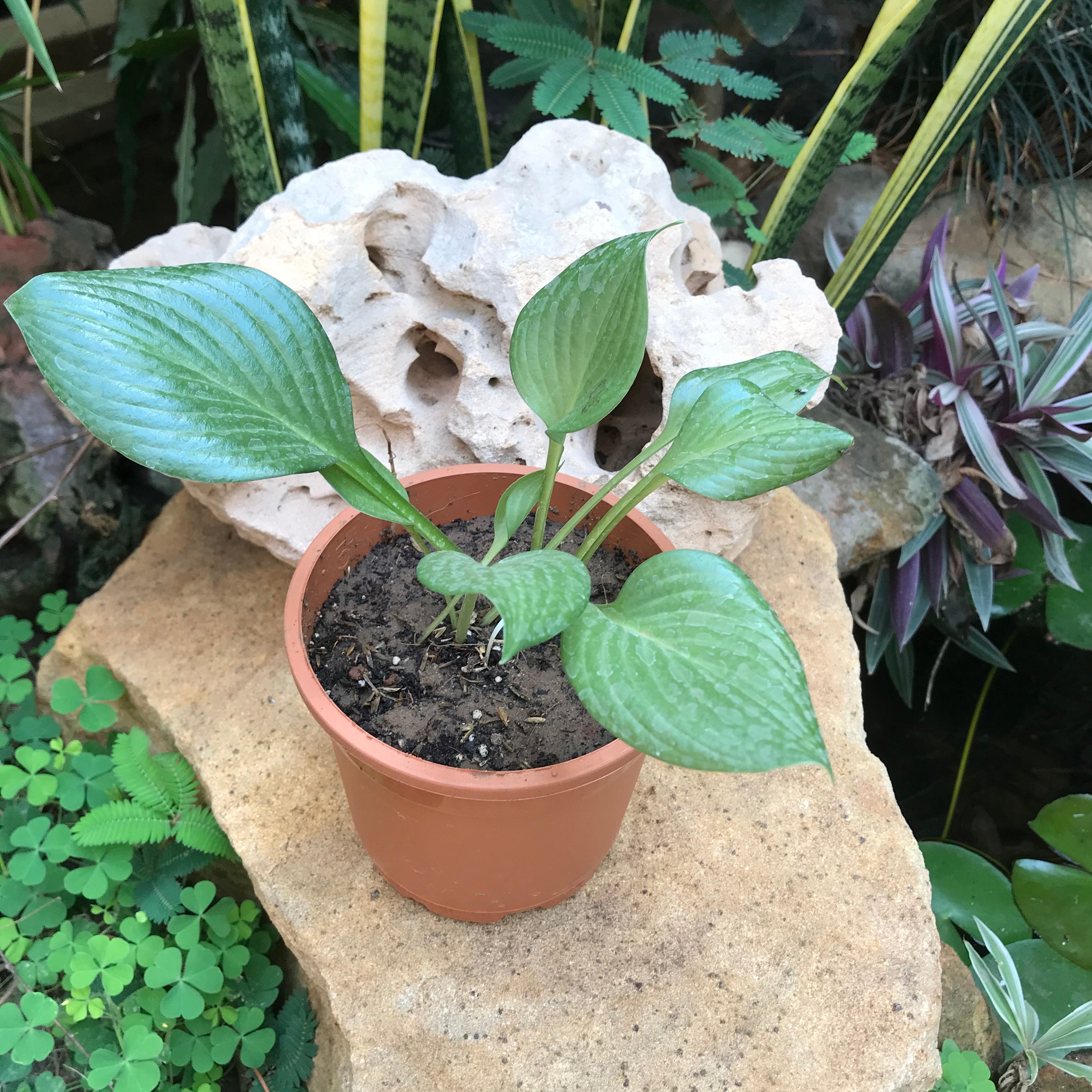
Hosta 'Blue' is herbaceous perennial. The plant forms a symmetrical, ornamental, mound of foliage composed of blue green to gray green leaves uniquely heart shaped and curled to resemble mouse ears. Funkia Blue typically blooms in mid summer and has lavender flowers.
Hosta Funkia Blue features abundant blue-green foliage, valued for decorative use in shaded gardens. It blooms from April to June in plains and from May to July in hilly areas. Planting is recommended between February and April on plains or from March to May in hills.
Environment
Hosta prefers shade and requires very little maintenance. The plant grows easily in evenly moist, organic, well-drained soils in part shade to full shade (with some morning sun or sun dappled conditions). Established plants tolerate dry shade (particularly plants with thick leaves), but soils should never be allowed to dry out. Apply water directly to the soil beneath the leaves.The plant needs to be protected from the wind to prevent damage to its leaves.
Landscape Use
Hostas makes an attractive pot plant or hanging baskets - allowing the stems to arch over the sides, for a shady area, both indoors and out. Hosta Blue would be a great addition to a shade garden, oriental garden, or shaded border.


