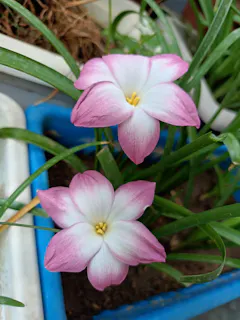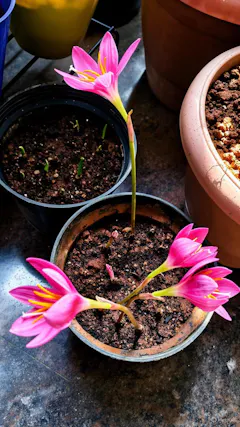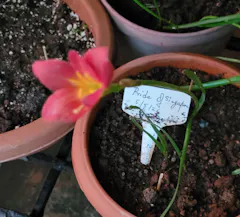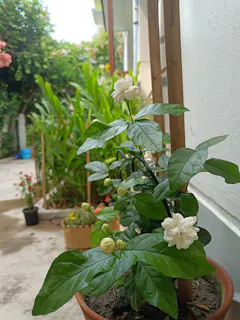
1.Proper soil preparation is crucial for planting bulbs successfully. Well-draining, loose soil enriched with compost or leaf mold. Ensure excellent drainage; if your soil is clay-heavy, mix in some coco peat.
2.Ensure the bulbs receive 4 to 6 hours of sunlight daily, adjusting the light exposure according to the specific variety some prefer partial shade while others require full sun.
3.Plant bulbs at a depth two to three times their height (e.g., a 2 cm bulb goes 4–6 cm deep) with spacing depending on size, typically 5–15 cm apart.
4.Water lightly after planting, keep soil moist but not waterlogged during growth, and reduce watering after flowering to let foliage yellow and bulbs enter dormancy. 5.Apply a low-nitrogen, high-potassium fertilizer when shoots emerge and post-bloom.
6.Avoid cutting green leaves immediately after flowering to allow energy storage.
7.Prevent pests and diseases by avoiding overwatering and treating bulbs with neem oil or mild fungicide before planting.
8.Store bulbs off-season by cleaning, drying in shade, and keeping them in breathable containers at 10–20°C with moisture absorbers; avoid sealed plastic and humid conditions.


Daily
Water Requirement

Orange
Flower Color

Non Fragrant
Fragrance

Winter
Flowering Season

Medium
Maintenance

No
With Pots

Small
Size

Outdoor Shade,Outdoor Sun
Sunlight Requirement

Tritonia
Genus

Balcony,Low Maintenance
Use
Gloriosa Carsonii
Family
Colchicaceae
Origin
South Africa
Description
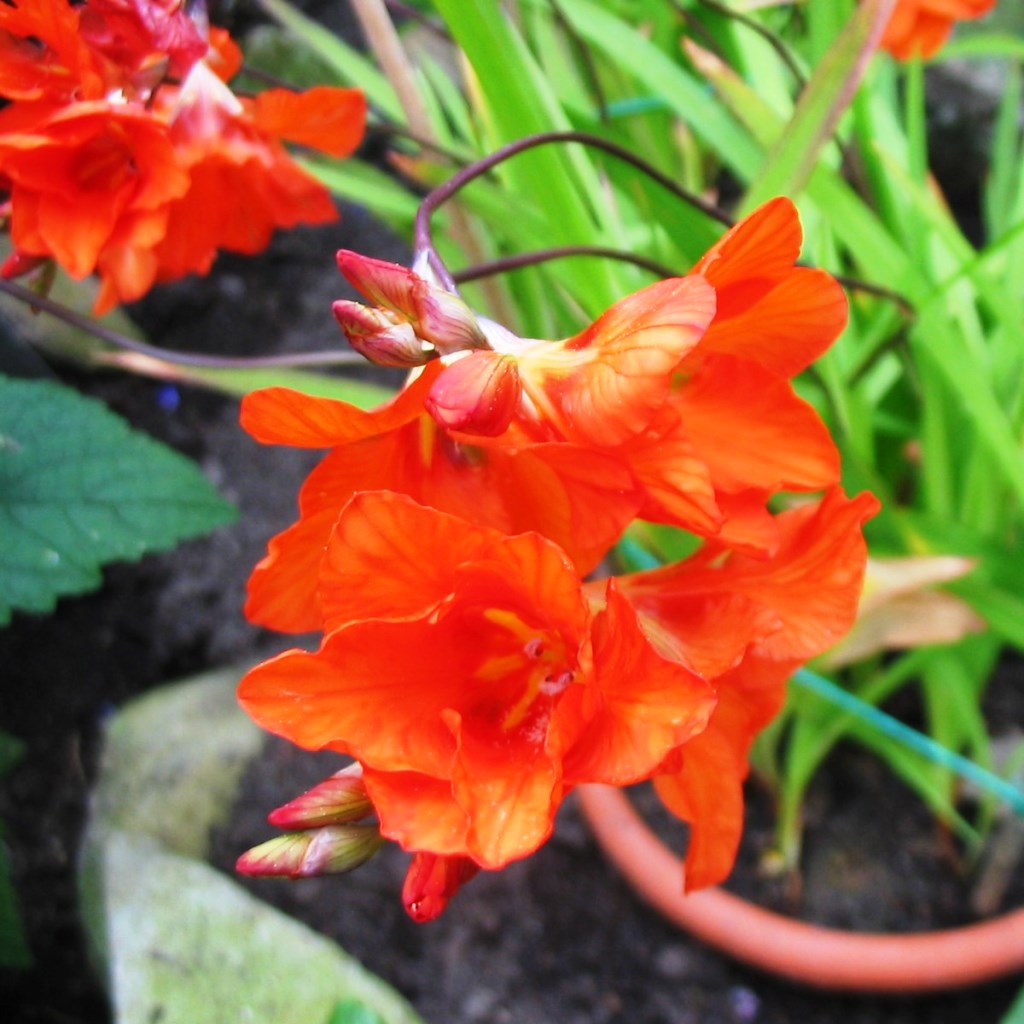
Tritonia crocata is a striking, late spring and early summer-flowering plant with fiery orange or reddish orange flower sprays and a fan of short, lance-shaped leaves.. It has a flattened corm surrounded by a few layers of fibrous outer tunics and multiplies by cormlets produced around its base. The three lower tepals of the flower have a narrow yellow or dark red central stripe in the throat, and all the tepals have attractive narrow translucent zones or 'windows' on the margins
Tritonia Crocata bulbs yield clusters of vibrant orange flowers in summer, adding dynamic color to garden borders. They bloom from February to April in plains and March to May in hilly regions. Plant in October and November in both plains and hills for optimal growth.
Environment
A sunny, well-ventilated aspect, a well-drained growing medium, heavy drenching at regular intervals during the growing season and maintenance of a dry period in dormancy are required for the successful cultivation of Tritonia crocata. . Plant the corms in autumn in a sandy soil containing some well-decomposed compost, at a depth of about 2 cm of growing medium above the corm. Corms should be planted close together (about 5 cm apart) to create a massed effect. Allow the growing medium to dry our completely for the summer, or lift them and store in a cool dry place until autumn.
Tritonia crocata grows in clay soils .It is well suited to cultivation in temperate climates but is not resistant to prolonged periods of frost
Landscape Use
Tritonia are night fragrant, quite free flowering over a long period, look rather like fresias and go very well in rock gardens and containers or plant in groups for best effect in a sunny border.It can be grown in containers, window boxes, rock garden pockets and as a front border to larger herbaceous plant.