
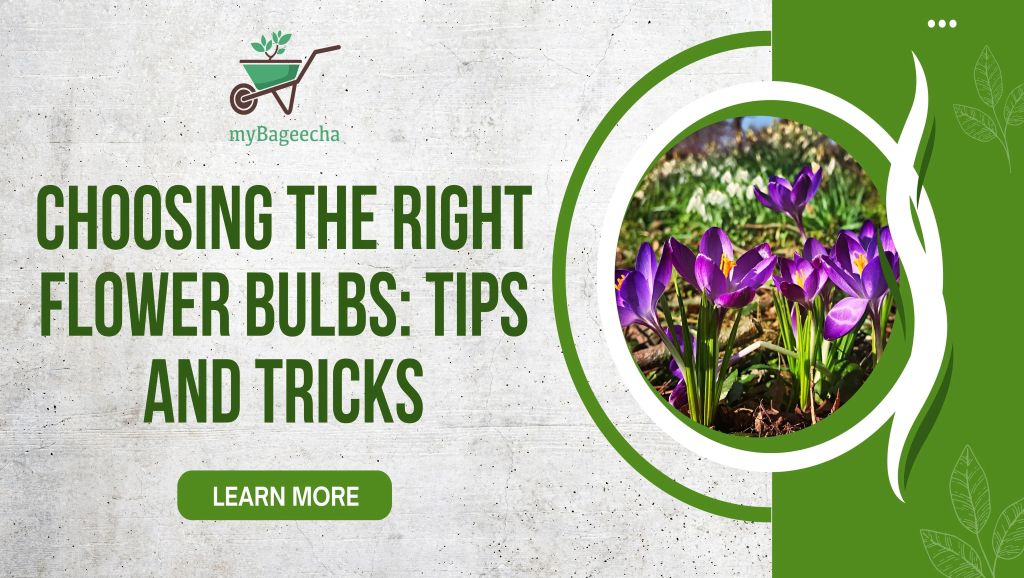
Simple Tips for Selecting the Best Flower Bulbs for Every Season
Choosing the right flower bulbs is the first step toward creating a colourful, healthy, and long-lasting garden. Healthy bulbs produce stronger roots, better foliage, and vibrant blooms, while poor-quality bulbs often lead to weak growth and disappointing flowering.
Whether you are planning a balcony garden, terrace setup, outdoor flower bed, or seasonal container display, selecting the right bulbs based on climate, sunlight, flowering season, and available space can make a significant difference.
Many gardeners focus only on flower colour or bulb size while purchasing, but factors such as bulb firmness, planting season, storage condition, blooming cycle, and sunlight requirements are equally important for successful flowering.
This guide shares practical and beginner-friendly tips to help you confidently choose healthy flower bulbs for your home garden.
🌷 Essential Tips for Choosing Flower Bulbs
1. Choose bulbs according to the flowers you want to grow
Before buying bulbs, decide the type of flowering display you want to create. Some gardeners prefer bright seasonal blooms for flower beds, while others may want compact flowering plants suitable for pots, balconies, or terrace gardens.
Different flower bulbs have different flowering seasons, sunlight needs, plant heights, and maintenance requirements. Tulips, daffodils, lilies, gladiolus, ranunculus, hyacinths, and freesias all perform differently depending on climate and planting conditions.
Exploring different flower bulbs beforehand helps you plan colour combinations, flowering duration, and garden layout more effectively.
Pro Tip: Start with easy-to-grow bulb varieties if you are new to bulb gardening.
2. Check the firmness and weight of the bulbs
Healthy flower bulbs should feel firm, solid, and appropriately heavy for their size. Bulbs that feel unusually light may have dried internally, while soft or mushy bulbs may already be rotting.
Avoid bulbs with cuts, fungal spots, mold, excessive dryness, or visible damage. A healthy bulb stores nutrients and energy required for strong root growth and flowering.
Large bulbs are generally preferred because they often produce larger flowers and stronger stems, though bulb quality matters more than size alone.
3. Match the quantity of bulbs to your planting space
Planning the number of bulbs according to available planting space helps create a balanced and visually appealing garden. Overcrowding can reduce airflow and increase competition for nutrients, while sparse planting may leave empty-looking spaces.
Measure your flower bed, balcony planter, or container size before purchasing bulbs. Compact flowering bulbs work well for pots and balcony gardens, while taller varieties may require deeper planting beds and wider spacing.
For decorative setups, combine bulbs with suitable Pots & Planters to create seasonal floral displays for balconies and entrances.
4. Experiment with different flower bulb varieties
Trying different bulb varieties adds texture, colour diversity, and seasonal variation to the garden. Combining familiar favourites with new flowering varieties keeps the garden visually interesting throughout the blooming season.
Some bulb varieties perform exceptionally well in cooler climates, while others tolerate warmer Indian growing conditions better. Experimenting gradually helps identify which flowers adapt best to your local environment.
Mixing early, mid-season, and late bloomers can also help create longer-lasting flowering displays.
5. Choose bulbs according to sunlight availability
Sunlight plays a major role in flowering performance. Some flower bulbs require bright direct sunlight for abundant blooms, while others grow better in partial shade or filtered light.
Observe the lighting conditions of your balcony, terrace, or garden before selecting bulbs. Matching the bulb variety with the right growing conditions improves flowering quality and overall plant health.
Pro Tip: South- or west-facing balconies usually receive stronger sunlight suitable for most flowering bulbs.
6. Buy bulbs from reliable sellers
Flower bulbs are living storage structures and require proper handling, storage, and transportation. Purchasing bulbs from trusted nurseries or reliable online sellers increases the chances of receiving healthy, viable bulbs.
Reliable sellers usually provide correct planting guidance, flowering season information, and healthy bulb stock stored under suitable conditions.
This helps reduce issues such as fungal damage, poor germination, or weak flowering performance later.
7. Include early, mid, and late-season bloomers
Choosing bulbs that bloom at different times helps maintain colour and interest in the garden for a longer period. Instead of having all flowers bloom together for a short duration, staggered flowering creates continuous seasonal beauty.
Layering early-, mid-, and late-season bloomers also creates a more natural and dynamic garden appearance.
This approach works especially well for outdoor beds, terrace gardens, and decorative seasonal containers.
8. Buy bulbs at the correct planting time
Purchasing flower bulbs close to the recommended planting season usually gives access to fresher stock and healthier varieties. Bulbs stored for excessively long periods may lose vigour and flowering potential.
Avoid buying bulbs too early unless you can store them correctly in cool, dry, and well-ventilated conditions.
Understanding seasonal planting windows improves flowering success and helps bulbs establish healthy roots at the right time.
🪴 Choosing Flower Bulbs for Pots, Balconies & Gardens
Many flowering bulbs grow beautifully in balcony planters, terrace containers, raised beds, and decorative garden pots. Compact bulb varieties are especially suitable for urban gardening and small-space homes.
When growing bulbs in containers, ensure proper drainage and use quality Growing Media to support healthy root development and moisture balance.
Decorative flowering setups can also be enhanced using stylish Pots & Planters suitable for balconies, patios, and entrances.
🌸 Conclusion
Choosing healthy flower bulbs carefully is one of the most important steps in creating a thriving flowering garden. Paying attention to bulb quality, planting season, sunlight needs, and blooming cycles helps ensure stronger growth and more vibrant flowers.
With thoughtful planning and the right bulb selection, you can create colourful seasonal displays for balconies, terraces, outdoor gardens, and decorative containers.
Explore a wide range of premium Flower Bulbs at myBageecha for every season and gardening style.
Frequently Asked Questions
How do I identify healthy flower bulbs?
Healthy flower bulbs should feel firm, solid, and free from fungal spots, cuts, mold, or soft patches.
Which flower bulbs are best for beginners?
Easy-to-grow bulbs such as gladiolus, lilies, ranunculus, and freesias are often preferred by beginner gardeners.
Can flower bulbs grow in pots and balconies?
Yes. Many flower bulbs grow very well in pots, balcony planters, terrace containers, and small outdoor spaces with proper drainage and sunlight.
When is the best time to buy flower bulbs?
The best time to buy bulbs is close to their recommended planting season when fresh and healthy stock is more easily available.
Why are my flower bulbs not flowering properly?
Poor-quality bulbs, insufficient sunlight, overcrowding, incorrect planting depth, or improper seasonal timing can reduce flowering performance.


