
How to Make Plants Grow Faster and Bigger
Healthy plants don’t just happen — they need the right mix of light, water, soil, and care. This guide explains practical steps to help your plants grow faster and bigger, while staying lush and vibrant.
🌞 Provide Adequate Light
Sunlight is essential for photosynthesis and nutrient creation. Indoor plants thrive in indirect or morning light, while outdoor plants prefer direct sunlight. Avoid sudden shifts from shade to harsh sun, which can burn leaves.

(Image source: Royal City Nursery)
💧 Water Requirements
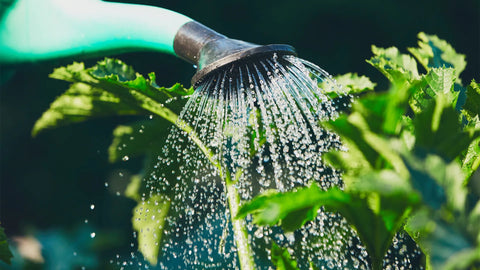
Water helps plants absorb nutrients. Outdoor plants often need daily watering, while indoor plants usually require twice weekly. Overwatering can stunt growth — always use pots with drainage holes to prevent root rot.
(Image source: Safer Brand)
🌱 Soil Requirements
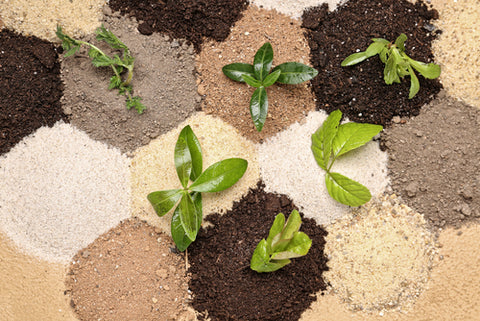
Soil provides root support and nutrients. Indoor plants need well-draining soil, while outdoor plants may benefit from moisture-retaining mixes. Nutrients deplete over time, so replenish with organic matter or organic fertilizers to maintain healthy growth.
(Image source: Housing)
🐛 Pesticides and Fertilizers
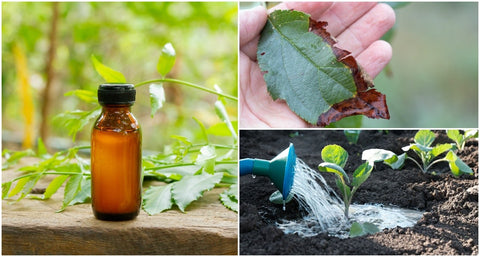
Pests like mealybugs hinder growth. Treat infestations with natural remedies such as neem oil or effective bio-pesticides. Boost growth with nutrient-rich options like vermicompost, castor cake, banana peels, or coffee grounds. For more details, see our plant diseases guide.
(Image source: Rural Sprout)
✂️ Pruning
Pruning encourages bushier growth and more flowers or fruits. Trim dead or weak stems regularly to redirect energy into healthy branches.
🪴 Repotting
Repotting gives roots more space to expand, preventing stunted growth. Use fresh soil when repotting to restore nutrients and improve water absorption.
⚖️ Drainage Holes
Drainage holes prevent waterlogging and allow roots to breathe. Without proper drainage, plants risk root rot and slowed growth.
🔎 Troubleshooting Plant Growth: Quick Reference
| Symptom | Likely Cause | Suggested Fix |
|---|---|---|
| Slow growth indoors | Low light | Move near a window, provide morning sunlight |
| Weak stems | Lack of nutrients | Add organic fertilizer to enrich soil |
| Leaves curling | Pest attack | Treat with bio-pesticides or neem oil solution |
| Yellowing after repotting | Transplant shock | Water lightly, keep in indirect light until roots settle |
❓ Frequently Asked Questions
Should I prune indoor plants regularly?
Yes. Pruning helps redirect energy into healthy branches, encouraging bushier growth and more flowers or fruits. Trim dead or weak stems every few weeks for best results.
Can coffee grounds really help plants grow?
Coffee grounds add organic matter and improve soil texture. They also provide small amounts of nitrogen, which supports leafy growth. Mix them lightly into soil or compost rather than applying directly in large amounts.
How often should I fertilize my plants?
Indoor plants usually benefit from monthly feeding during the active growing season (spring and summer). Use organic fertilizers in measured amounts to avoid overfeeding. Outdoor plants, on the other hand, often need more frequent fertilization — every 2 to 3 weeks — since rain and watering can wash nutrients out of the soil more quickly. Always adjust based on plant type and season for best results.
What’s the best way to handle pests?
Inspect plants regularly, especially the underside of leaves. If pests appear, treat them with natural remedies like neem oil or effective bio-pesticides to protect growth without harming the environment.
🌿 Wrapping It Up
Faster, bigger plant growth comes from consistent care — light, water, soil, nutrients, pest control, pruning, and repotting. With these practices, your plants will thrive and reward you with lush greenery and blooms.


