
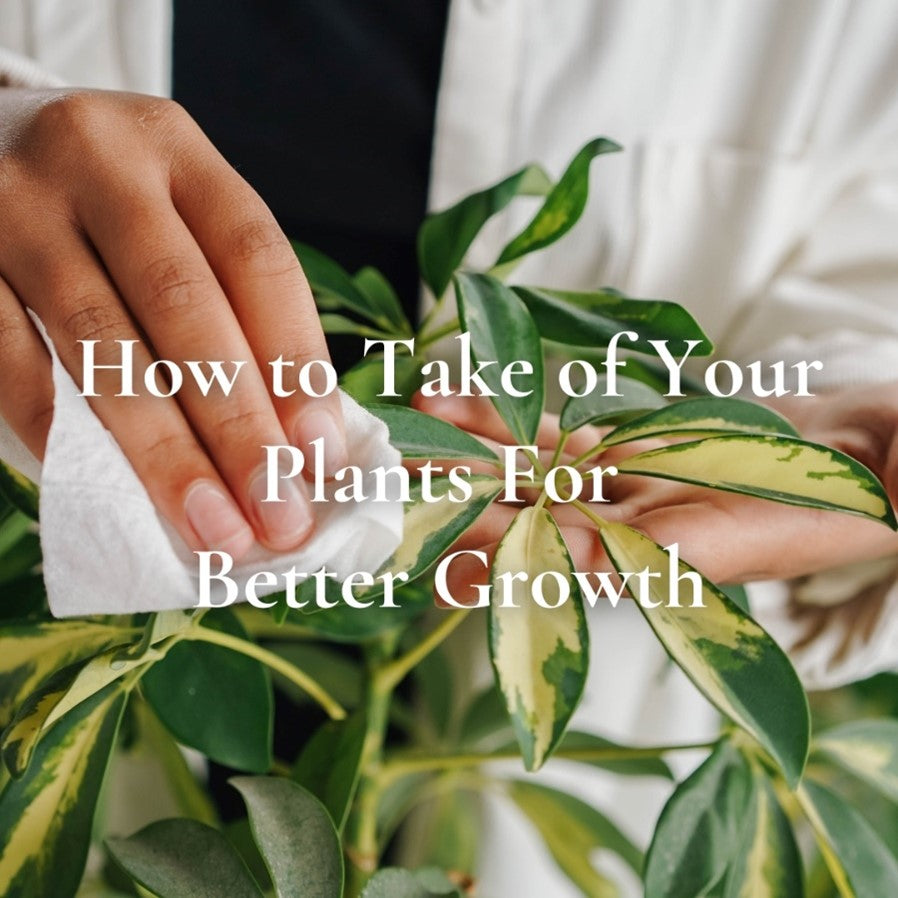
Understanding the Basics of Pruning
- Pruning is essential for better growth and overall plant health. It involves shaping and trimming to encourage controlled growth, vitality, and beauty. With sharp scissors or gardening tools, pruning is simple and effective. Always fertilise and water plants according to their specific needs.
- Pruning can style a plant into a desired shape (especially bonsais), keep it contained within its pot, and remove dead or dying foliage. It may even encourage new flowers. Think of pruning as an act of love that keeps foliage fresh and healthy.

What to Know
For successful trimming and shaping, use clean shears and understand how plants grow. Some plants need pruning for controlled growth, while others benefit from better ventilation. The best time for pruning is spring and summer, when plants are actively growing. Vines and trees respond especially well, producing fuller growth and healthier foliage.
Most houseplants can be pruned, but palms and tree ferns should be handled carefully. Remove dead leaves only — never cut the top growth areas, as this can kill the plant.

Taking Care of Dead or Dying Leaves
Removing yellow or dead leaves prevents pests and keeps plants looking fresh. Wait until leaves are fully yellow before removing them, as this makes detachment easier. Cut close to the natural shape, avoiding damage to healthy foliage.

Regular Pruning
Light pruning throughout the year keeps plants balanced. Pulling off yellowing leaves, trimming stems, and shaping vines can be done regularly. Major pruning is best in spring and summer, when plants recover quickly. Avoid heavy pruning in winter or fall, as regrowth slows.

Indoor Plants
Pinch back soft tips in pothos, syngonium, and philodendrons to encourage bushy growth. Remove yellow leaves from peace lilies. Avoid cutting growth points in palms and ferns.
Flowering Plants
Deadhead marigolds, hibiscus, and bougainvillea to extend blooming. Cut back leggy stems in summer for fuller flowering. Avoid pruning during peak bloom to maximize flowers.
Bonsai
Bonsai pruning is both art and science. Use bonsai shears for precision, trim new shoots regularly, and combine pruning with wiring to maintain miniature form and balance.
Creepers & Climbers
Train creepers on moss poles or trellises. Trim wandering stems to maintain shape. Substantial pruning in spring or summer helps vines recover quickly and stay manageable.

Adenium (Desert Rose)
Prune adenium after flowering to encourage branching and compact growth. Cut back long branches, but avoid pruning during dormancy. This ensures healthier blooms in the next season.
Seed Plants (Flowers & Vegetables)
Pinch marigolds and zinnias for bushier growth. Deadhead regularly to extend flowering. For tomatoes, remove suckers and prune lower leaves to improve airflow. Beans and peas need minimal pruning — just remove yellow leaves. Harvest leafy greens by cutting outer leaves, leaving the crown intact.
Flowering Bulbs
Remove spent flowers but leave foliage until it yellows naturally, as this stores energy in the bulb for next season. Avoid cutting green leaves prematurely. Store bulbs dry after foliage dies back.
Plants That Should Not Be Pruned
Some plants require little or no pruning, such as palms, snake plants, and orchids. These species rely on a dominant bud — cutting it can kill the plant. Orchids only need dead flower spikes removed, as they can rebloom.
Practical Tips
- Always disinfect tools with diluted bleach to prevent disease.
- Wear gloves for safety.
- Prune stems back to one-third their length at a 45° angle for fuller growth.
- Observe growth patterns before cutting — pruning is about guiding, not guessing.

Conclusion
Pruning is one of the most trusted practices for plant longevity and beauty. Each plant type — from indoor plants to bonsai, creepers, adenium, seeds, and bulbs — has unique needs. By following the right techniques, you’ll enjoy healthier plants, fuller blooms, and a more vibrant garden. For more inspiration, explore myBageecha, India’s most trusted online nursery.


