


Balcony
Use

Daily
Water Requirement

Pink
Flower Color

Non Fragrant
Fragrance

Winter & Spring
Flowering Season

Large
Size

Low
Maintenance

Multicolor
Color

Outdoor Shade,Outdoor Sun
Sunlight Requirement

Tulipa
Genus
Tulipa
Family
Liliaceae
Origin
Asia
Description
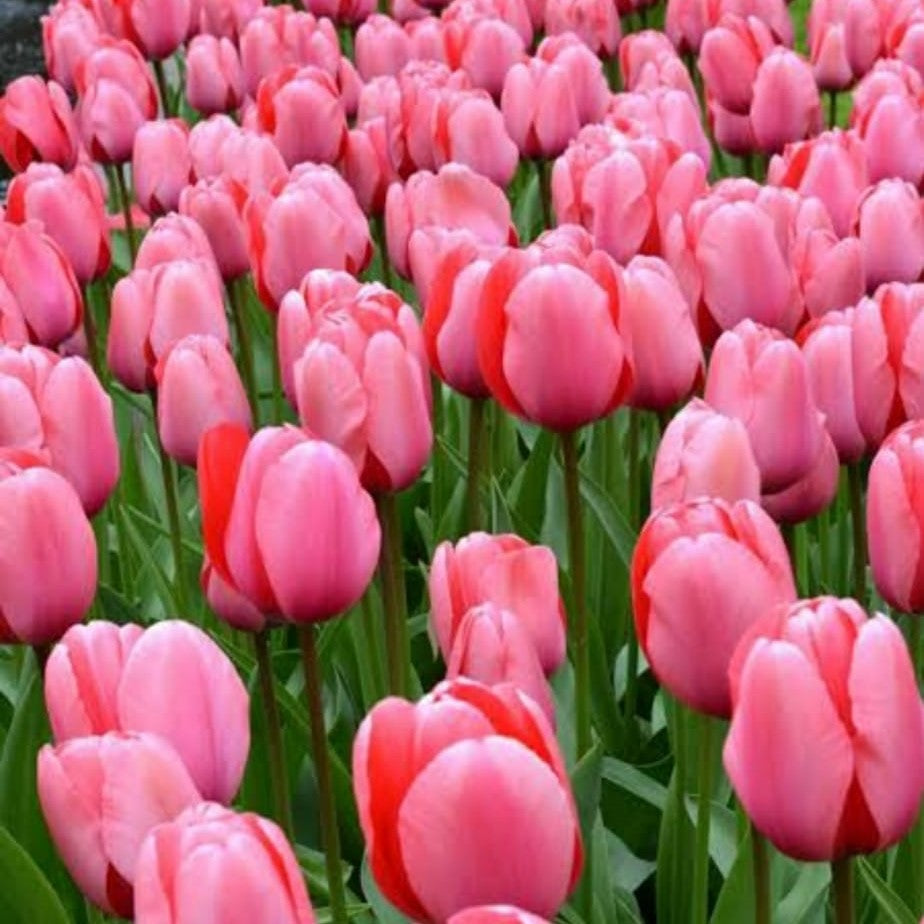
Tulips (Tulipa) form a genus of spring-blooming perennial herbaceous bulbiferous geophytes (having bulbs as storage organs). The flowers are usually large, showy and brightly coloured, generally red, pink, yellow, or white (usually in warm colours). They often have a different coloured blotch at the base of the tepals (petals and sepals, collectively),.
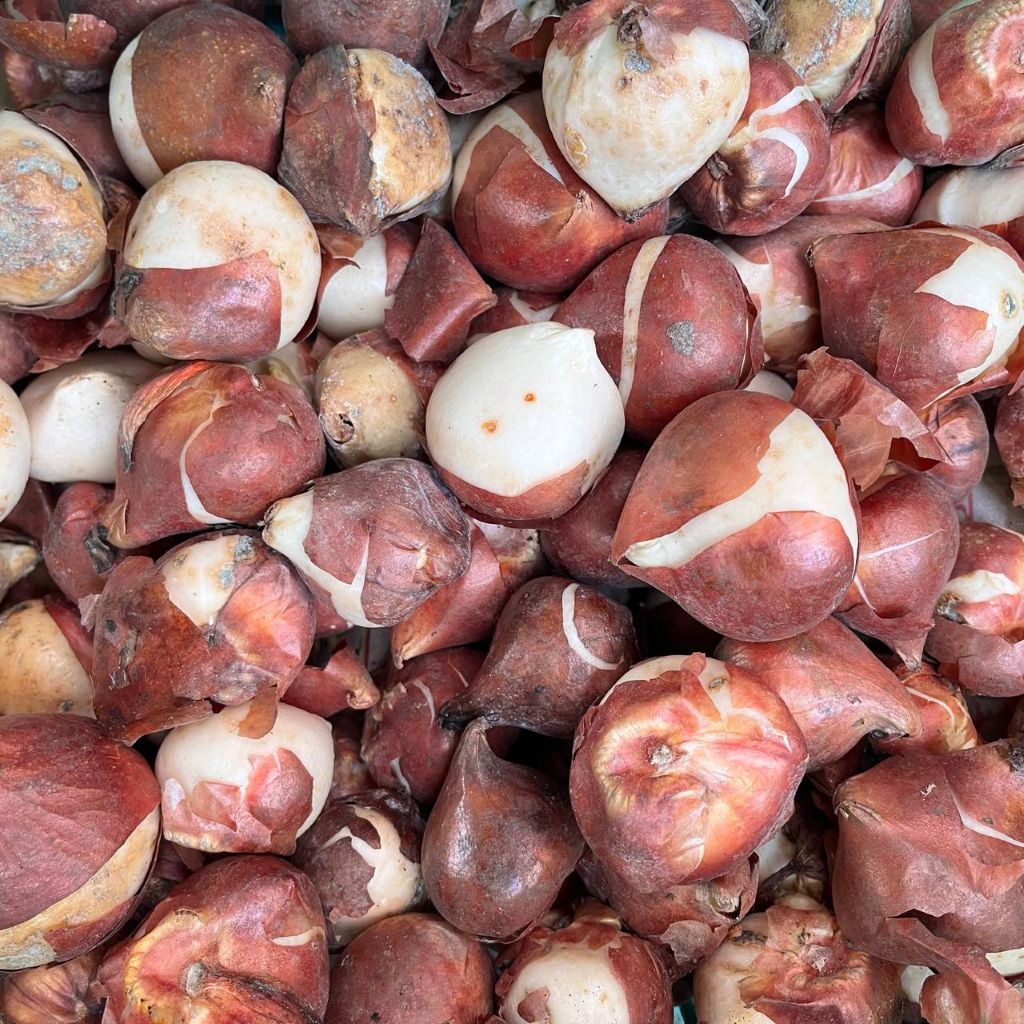
Big Love Tulip bulbs showcases large blush-pink blooms , making them a timeless choice for cut flowers. They flower from January to February in plains and February to March in hilly areas. For optimal growth, plant in November to December (pre-chilled) in plains or October to November in hills.
Environment
Tulips thrive best in locations receiving full or afternoon sun. They require well-draining, fertile soil that is neutral to slightly acidic, preferably dry or sandy. Excessive moisture is detrimental to all tulip varieties. Taller plants should be shielded from strong winds.
Space bulbs 4 to 6 inches apart, selecting a sufficiently large planting area. Plant bulbs in the fall, 6 to 8 weeks before the first hard frost, generally November or December in India, with soil temperatures below 60°F. In mild winters, bulbs need about 12 weeks of refrigeration prior to planting. Plant bulbs at least 8 inches deep, loosening soil to improve drainage or using raised beds. Position bulbs pointy end up, cover firmly with soil, and water immediately to stimulate growth.
Apply balanced fertilizer or organic compost at planting for optimal development.
Landscape Use
Tulips make wonderful specimens and very attractive to fit into formal garden plantings from beds to borders