

Discocactus
Genus

Red
Flower Color

Fragrant
Fragrance

Summer
Flowering Season

Low
Maintenance

Medium
Size

Once a Week
Water Requirement

Yes
With Pots

Outdoor Shade,Outdoor Sun
Sunlight Requirement

Low Maintenance,Outdoor
Use
Epiphyllum phyllanthoides
Family
Cactaceae
Origin
Mexico
Description
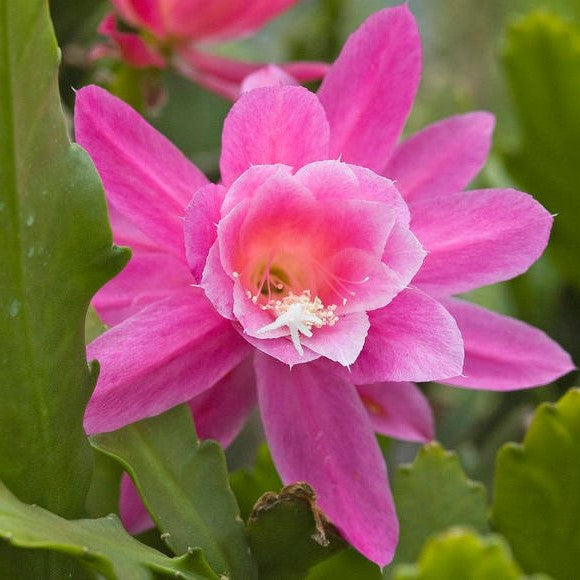
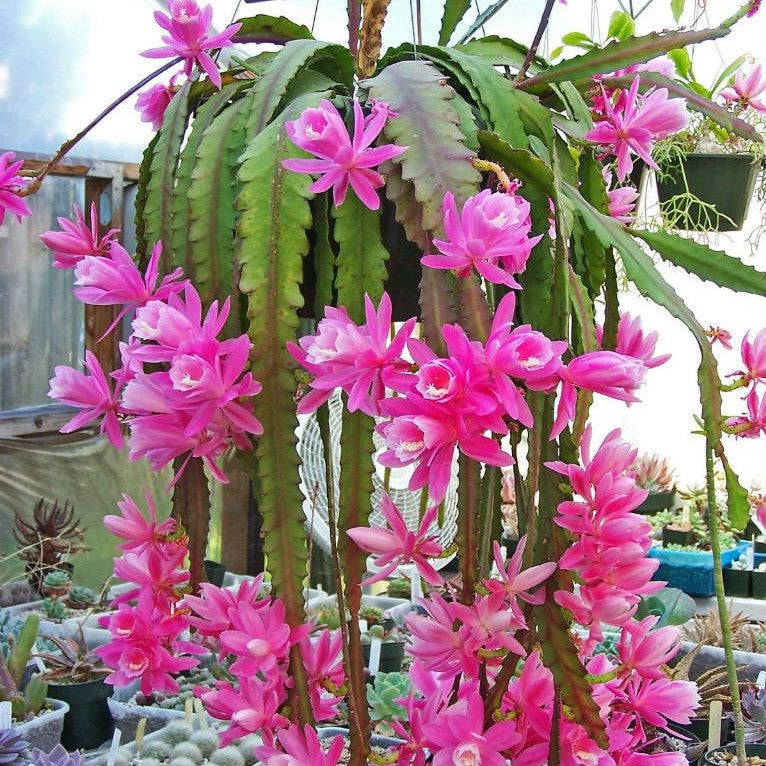
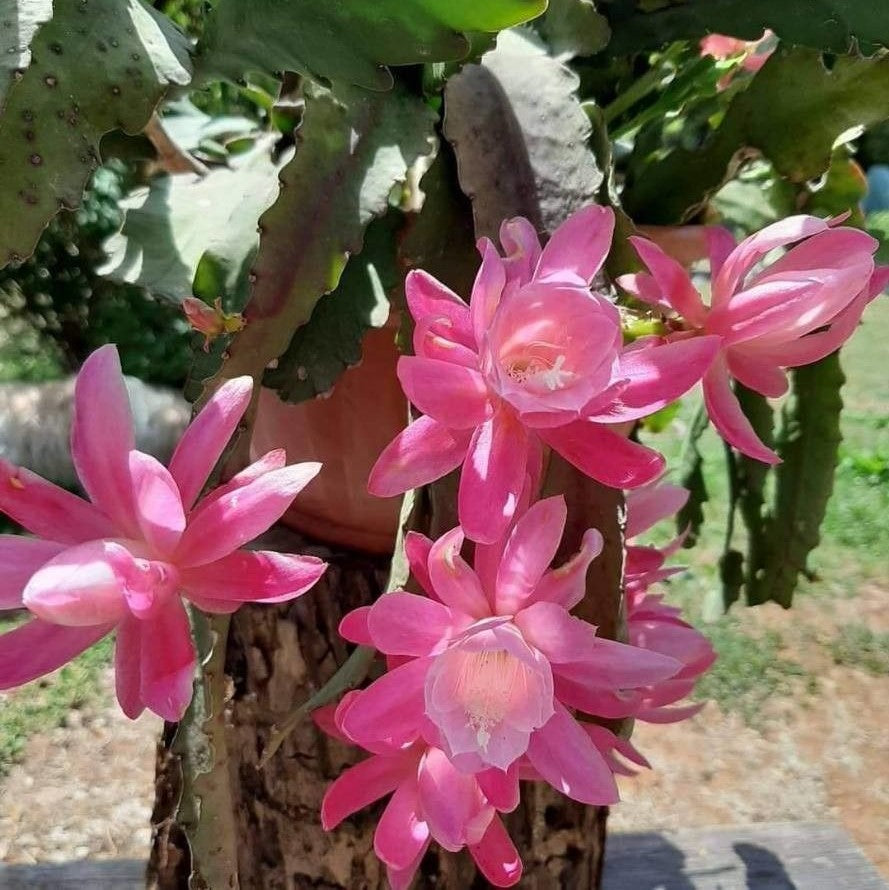
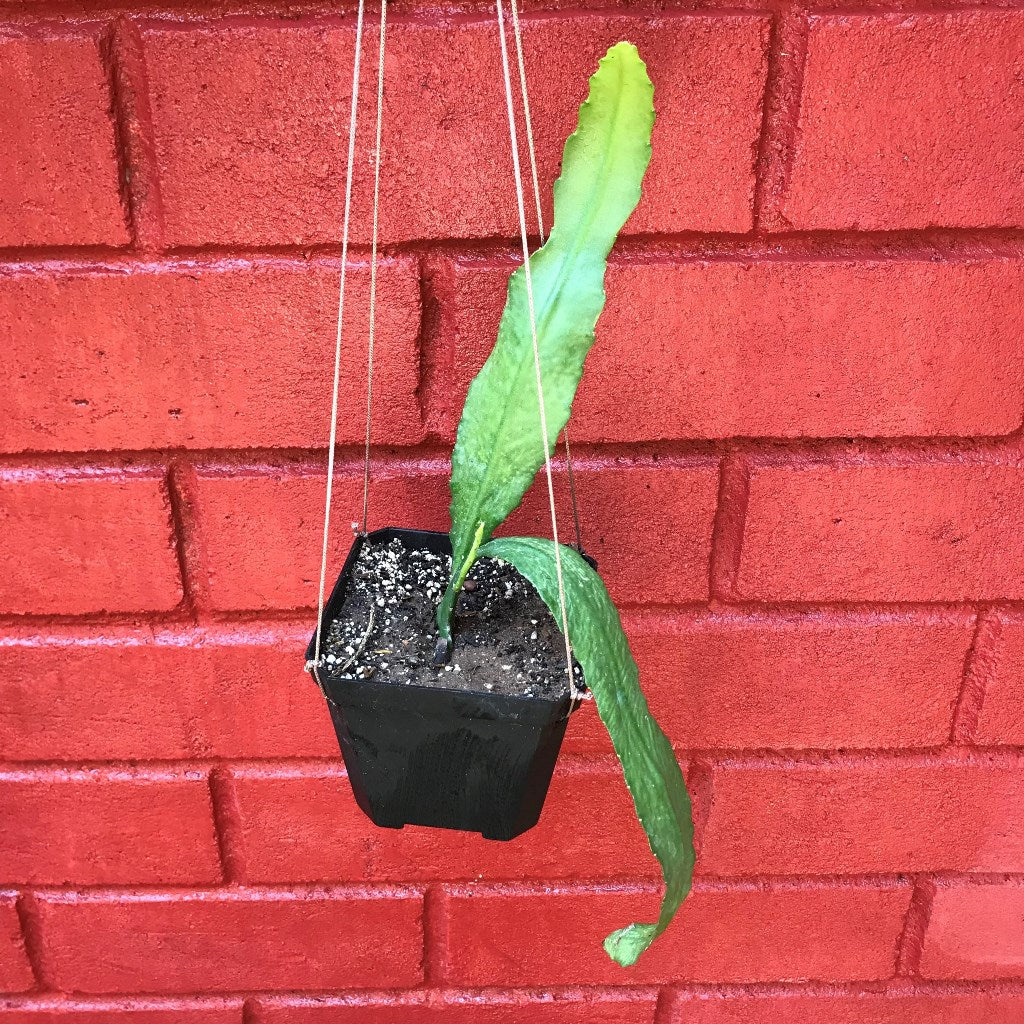
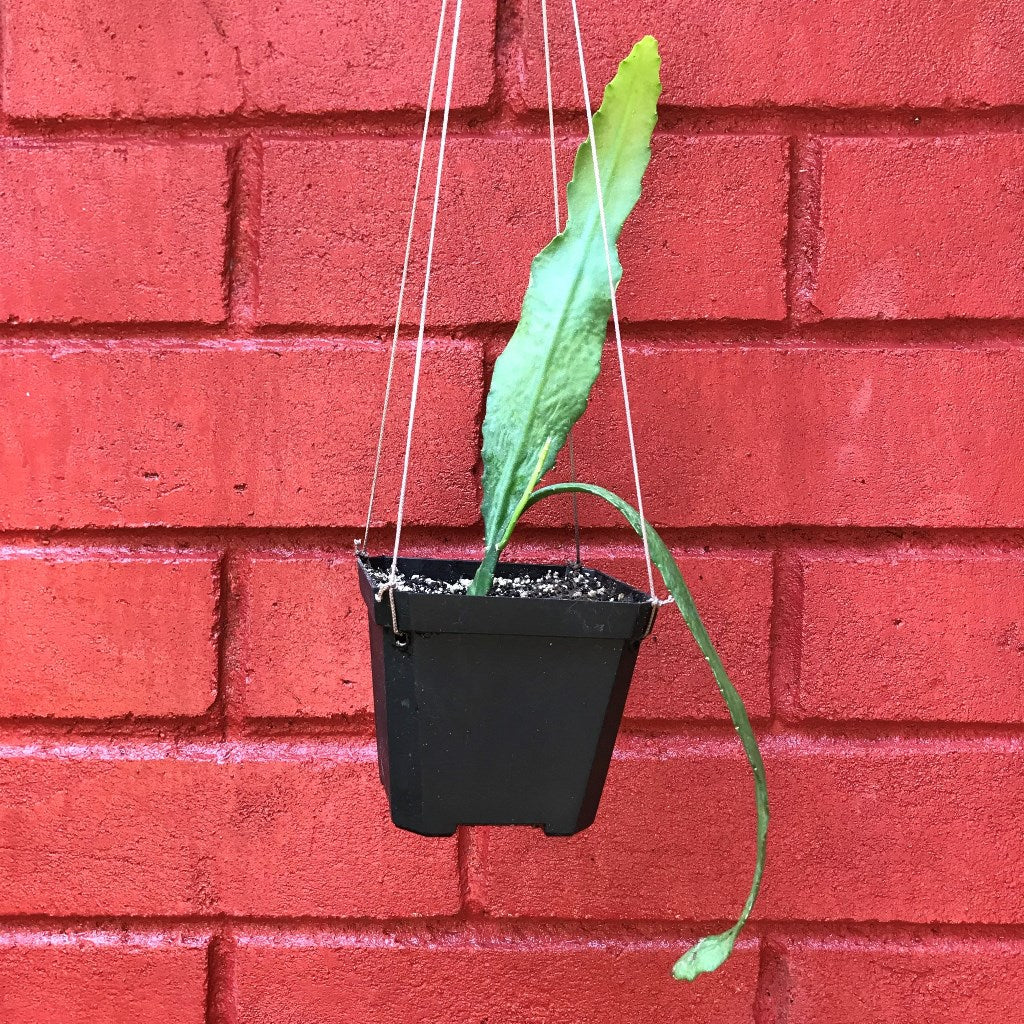
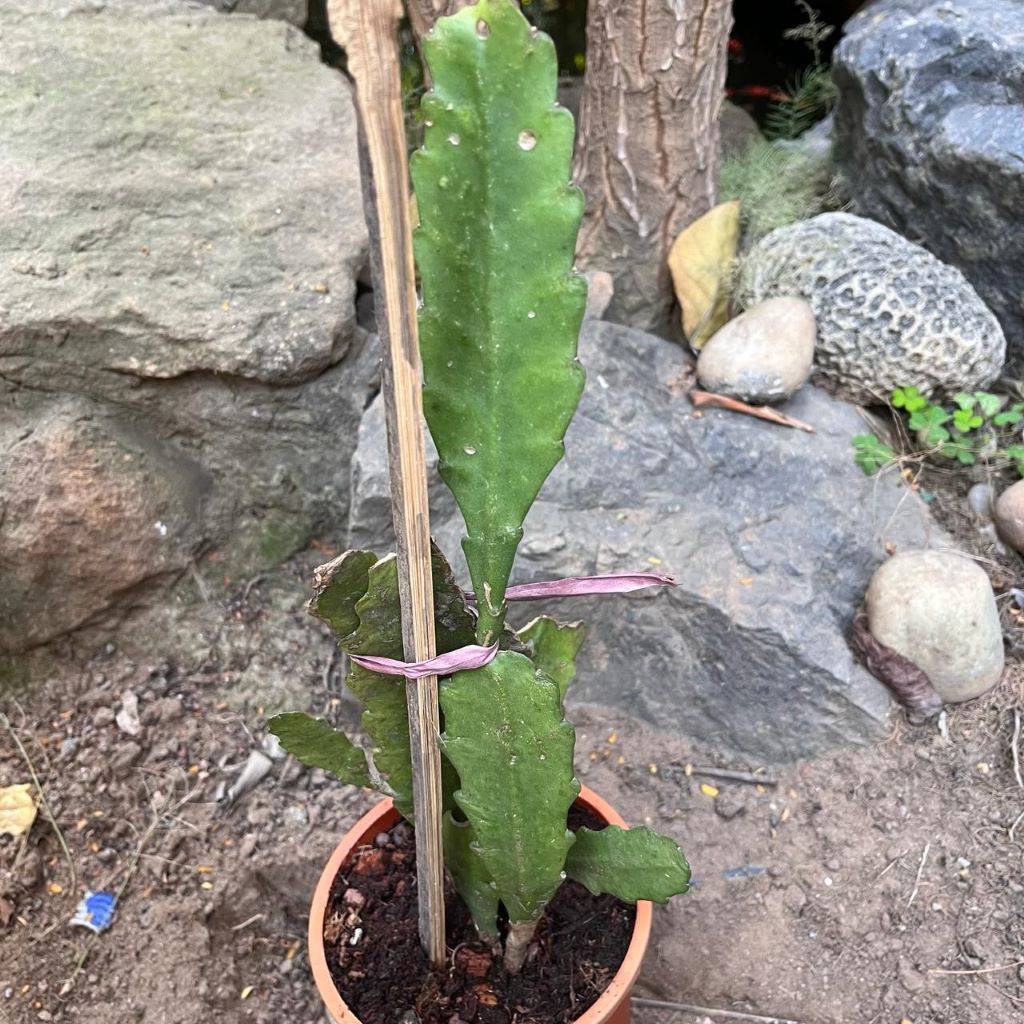
Disocactus phyllanthoides or German Empress is one of the most attractive epiphytic cactus with green or reddish stems, branching, primary stems up to 40 cm long, 6 mm thick, woody at base, flattened at apex. The secondary stems are flat, lanceolate, acute with coarsely scalloped margins, toothed. It produces funnel-shaped, pink flowers and the fruits are ellipsoid, with low ribs, green at first, later red. The seeds are dark brown.
Environment
Disocactus prefers bright, indirect light. It doesn't grow well in direct sun. So, you could place it around a south-facing window, where the plant can get indirect light for at least 6 hours in a day. This plant doesn't tolerate temperatures above 100 F. Being a tropical plant, it prefers temperature within the range of 50 to 90 F. It should not be exposed to temperatures below 35 F. It is advisable to bring the plant indoors, if the temperature falls below 40 F. Make sure that the plant is not kept around cooling or heating vents, as exposure to cold or hot drafts can cause a fluctuation in temperature.
Use soil that is slightly acidic. A potting medium that has peat moss, sand, and pine bark in the ratio of 2:1:1 is ideal. Also, make sure that the soil is well-drained. This plant will grow better if it is slightly root-bound. The soil can be amended by applying a fertilizer. Use organic matter to replenish the soil, or apply a balanced 20-20-20 liquid houseplant fertilizer or a fertilizer that contains less nitrogen. Apply the fertilizer once a month from spring through fall. Dilute the fertilizer to ensure that the plant doesn't get excess nitrogen. Excess nitrogen can cause the stems to grow, while reducing the number of blooms. Application of fertilizer can be avoided during winter and late fall.
Water the Epiphyllum plant regularly during summer. From spring through fall, water the plant every two weeks. Water the plant thoroughly until water drains from the bottom of the pot. Allow the soil to become slightly dry before you water the plant again. At the same time, excessive watering can cause damage to the root, making the plant susceptible to root rot. During summer, when the temperature becomes higher than 70 F, you can increase humidity by placing a water container around the plant or using a humidity tray. This plant will do well in 50% humidity. Reduce the frequency of watering during winter. Mature plants can survive even if they are watered sparingly during winter.
Landscape Use
Flower borders and beds. Wall-side Borders