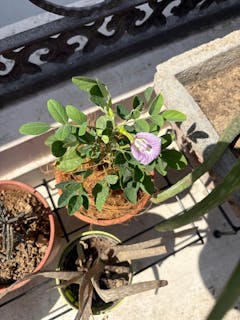
1.Proper soil preparation is crucial for planting bulbs successfully. Well-draining, loose soil enriched with compost or leaf mold. Ensure excellent drainage; if your soil is clay-heavy, mix in some coco peat.
2.Ensure the bulbs receive 4 to 6 hours of sunlight daily, adjusting the light exposure according to the specific variety some prefer partial shade while others require full sun.
3.Plant bulbs at a depth two to three times their height (e.g., a 2 cm bulb goes 4–6 cm deep) with spacing depending on size, typically 5–15 cm apart.
4.Water lightly after planting, keep soil moist but not waterlogged during growth, and reduce watering after flowering to let foliage yellow and bulbs enter dormancy. 5.Apply a low-nitrogen, high-potassium fertilizer when shoots emerge and post-bloom.
6.Avoid cutting green leaves immediately after flowering to allow energy storage.
7.Prevent pests and diseases by avoiding overwatering and treating bulbs with neem oil or mild fungicide before planting.
8.Store bulbs off-season by cleaning, drying in shade, and keeping them in breathable containers at 10–20°C with moisture absorbers; avoid sealed plastic and humid conditions.


Daily
Water Requirement

Orange
Flower Color

Non Fragrant
Fragrance

All Seasons
Flowering Season

Heliconia
Genus

Large
Size

Yes
With Pots

Outdoor Shade,Outdoor Sun
Sunlight Requirement

Air Purifier,Balcony
Use
Parrot's beak
Family
Origin
South Africa
Description
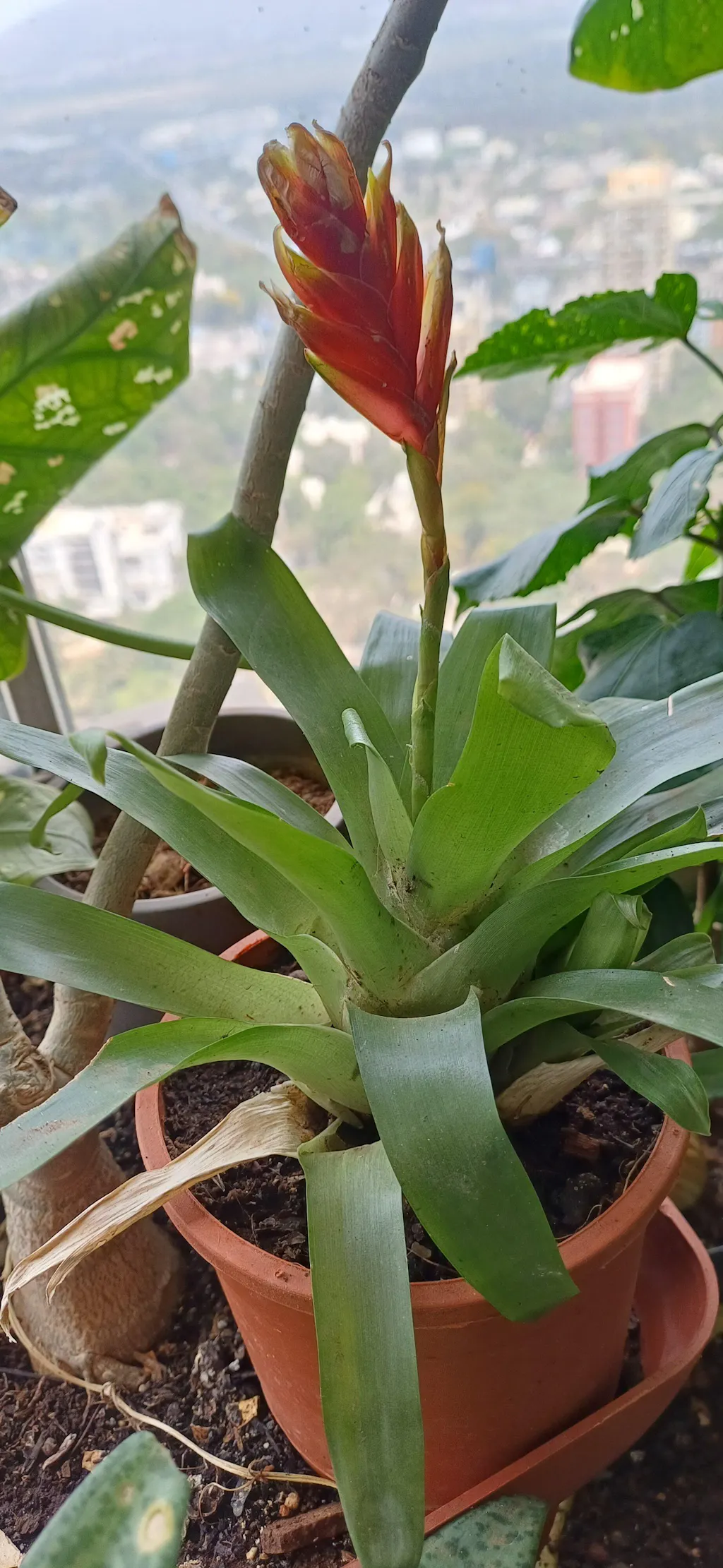
Heliconia Psittacorum Lady Di is a perennial, evergreen plant with an upright, rhizomatous growth habit. Its tropical appearance is reminiscent of a bird-of-paradise, with abundant blooms that can be described as hand-painted and vibrant, featuring greenish yellow flowers with a black spot near the apex. This species is known for its profuse blooming all year round.
Heliconia psittacorum Lady Di showcases extraordinary floral architecture where modified leaves and bracts create the visual spectacle. This vigorous cultivar reaches 2.5 m in height, producing 25-40 dramatic spikes annually. Each inflorescence spans 20-30 cm, featuring a striking chromatic progression from creamy white through soft mauve, punctuated by distinctive cream sepals with green-black striping. The glossy foliage provides an elegant backdrop to the bird-like blooms.
Flowering occurs June through October in lowland regions and July through November in elevated zones. Establish bulbs during February-April (plains) or March-May (hill stations) for optimal establishment and successive seasonal displays.
Environment
Heliconia Psittacorum is a low-maintenance plant that can thrive in a variety of growing conditions. It thrives in warm, tropical climates. It can be grown outdoors in a frost-free location with protection from strong winds.
Heliconia Psittacorum prefers full sun to partial shade. In hot, direct sun, it may benefit from some afternoon. Use a balanced fertilizer once a month during the growing season (spring and summer) to promote healthy growth and flowering
Landscape Use
Heliconia is the fastest growing ornamental plant and is highly suitable in landscape