

Balcony
Use

Daily
Water Requirement

Non Fragrant
Fragrance

Low
Maintenance

Medium
Size

Mentha
Genus

Yes
With Pots

Outdoor Shade,Outdoor Sun
Sunlight Requirement
Pudina Plant
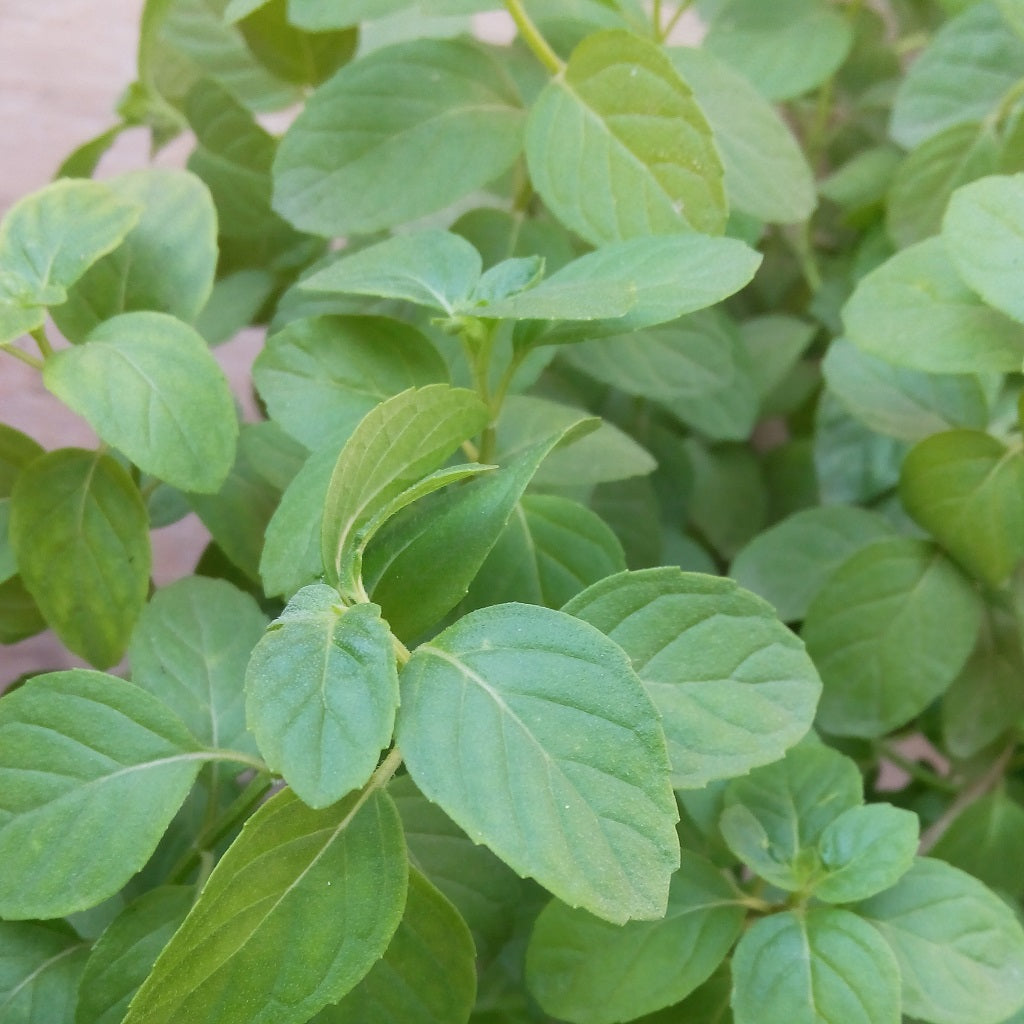
Peppermint (Mentha piperita) is a vigorous perennial herb from the Lamiaceae family, widely cultivated for its refreshing flavour and medicinal qualities. A natural hybrid of watermint and spearmint, peppermint is distinguished by square stems, dark green leaves, and delicate pinkish-lavender flower clusters. Rich in menthol, it delivers a cooling sensation and sweet undertone, making it a favourite for teas, desserts, and home remedies.
Environment & Care
Peppermint thrives in moist, nutrient-rich soil and requires regular watering. It is often found near streams and ponds where drainage is good. While partial sun is sufficient, planting in full sun enhances the potency of its oils. Protect plants from harsh afternoon heat, and amend soil with organic compost for best results. As peppermint spreads quickly through underground stolons, consider growing it in containers or grow bags to manage its growth.
Culinary & Medicinal Uses
Peppermint is prized for its versatility. Use fresh leaves to flavour chutneys, salads, and beverages, or brew them into soothing herbal teas. Its menthol content supports digestion, relieves mild headaches, and provides natural cooling relief. This makes peppermint both a culinary delight and a wellness essential in any home garden.
Explore More
Pair peppermint with other popular herbs like Tulsi, Ajwain, or Lemongrass to create a diverse kitchen garden. You can also start from herb seeds or experiment with nutrient-rich microgreens for quick harvests.