
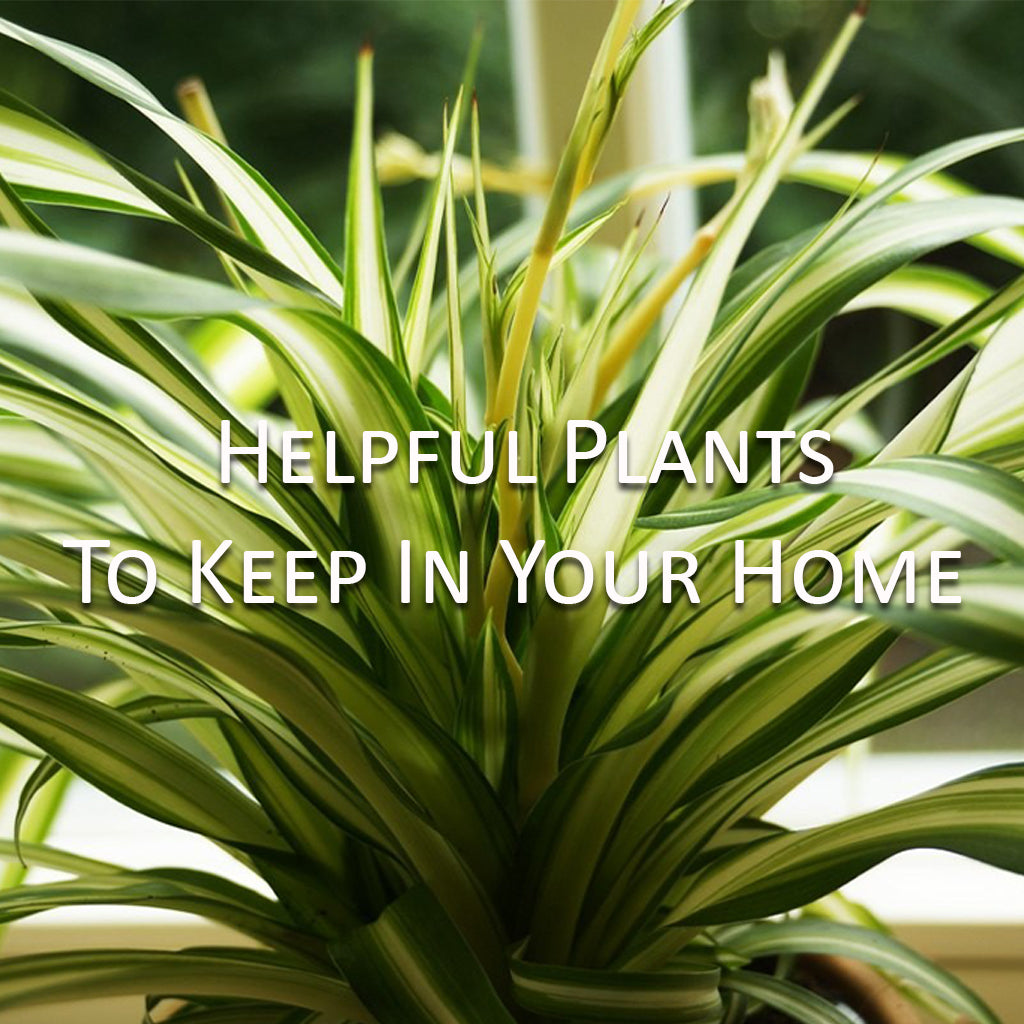
Best Indoor Plants for a Healthy Home Environment
Sleepless nights, frequent cough, and cold are common concerns that affect overall well-being. While medicines offer temporary relief, improving your indoor environment naturally can have a lasting impact. Indoor plants are a simple and effective way to enhance air quality, reduce stress, and create a calming atmosphere at home.
Adding greenery indoors not only improves the look of your space but also supports better physical and mental health. Certain plants help purify air, regulate humidity, and promote relaxation in daily life.
Benefits of Keeping Indoor Plants
- Improve indoor air quality
- Help reduce stress and anxiety
- Support better sleep
- Enhance home décor naturally
- Maintain indoor humidity levels
Aloe Vera – The Healing Indoor Plant

Aloe Vera is widely known for its medicinal properties and is commonly used for skin and hair care. It also helps improve indoor air quality and creates a soothing environment within your home.
This plant thrives in bright, indirect sunlight and requires minimal watering. It is highly suitable for beginners and can be placed near windows or well-lit areas where it receives filtered light.
Areca Palm – Natural Air Humidifier

The Areca Palm is one of the most popular indoor plants for improving air quality. It increases humidity levels and helps reduce dryness in indoor spaces.
It grows well in bright indirect light and requires regular but moderate watering. This plant works beautifully in living rooms and larger indoor areas where it can add both freshness and visual appeal.
Spider Plant – Effective Pollutant Remover
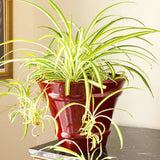
The Spider Plant is known for removing harmful indoor pollutants such as carbon monoxide and toxins from the air. It is extremely adaptable and grows well in a variety of indoor conditions.
It prefers indirect sunlight and requires minimal care, making it an excellent choice for homes, offices, and even beginners starting their plant journey.
Boston Fern – Natural Air Freshener

Boston Fern is highly effective in improving indoor humidity and eliminating unpleasant odours. It is especially useful in enclosed spaces or newly furnished rooms.
This plant prefers slightly humid conditions and indirect light. Regular misting helps keep its foliage fresh and healthy.
Lavender – The Natural Stress Reliever

Lavender is well known for its calming fragrance. It helps reduce stress, relax the mind, and improve sleep quality, making it ideal for bedrooms.
It prefers bright light and good air circulation. Placing it near a window or balcony ensures healthy growth and better fragrance.
Choosing the Right Indoor Plant
Selecting the right plant depends on your space, light conditions, and maintenance preference. If you are new to gardening, starting with easy-care varieties can make the experience more enjoyable.
You may explore different types of indoor plants or consider low-maintenance plants that adapt easily to indoor environments.
Care Tips for Indoor Plants
- Place plants based on their light requirements
- Water only when soil feels dry
- Ensure proper drainage
- Clean leaves regularly to remove dust
- Rotate plants for balanced growth
Frequently Asked Questions
Q1. Which indoor plants improve air quality?
Areca Palm, Spider Plant, and Boston Fern are commonly known for improving indoor air.
Q2. Which plant helps with sleep?
Lavender is widely known for its calming effects and sleep-supporting properties.
Q3. Are indoor plants easy to maintain?
Yes, many indoor plants require minimal care and are suitable for beginners.
Q4. Can indoor plants grow in low light?
Yes, several indoor plants adapt well to low-light conditions.


