
Plant Disease Identification & Care Guide
Your plant was lush and green last week. Now the leaves are yellowing, spotted, or curling at the edges, and you're not sure why. Sound familiar?
Plant diseases are one of the most common challenges for home gardeners. The good news: most problems can be identified early and managed effectively with the right care.
Identify Plant Problems by Symptoms (Quick Guide)
- White powder on leaves → Powdery Mildew
- Brown or black spots → Leaf Spot or Blight
- Leaves curling or distorted → Viral or pest-related issue
- Wilting despite watering → Root Rot
If you're unsure about the cause, refer to our pest control guide to identify pest-related issues and suitable treatments.
Common Plant Diseases & Their Symptoms
Powdery Mildew (White Powder on Leaves)
White powdery coating on leaves and stems.
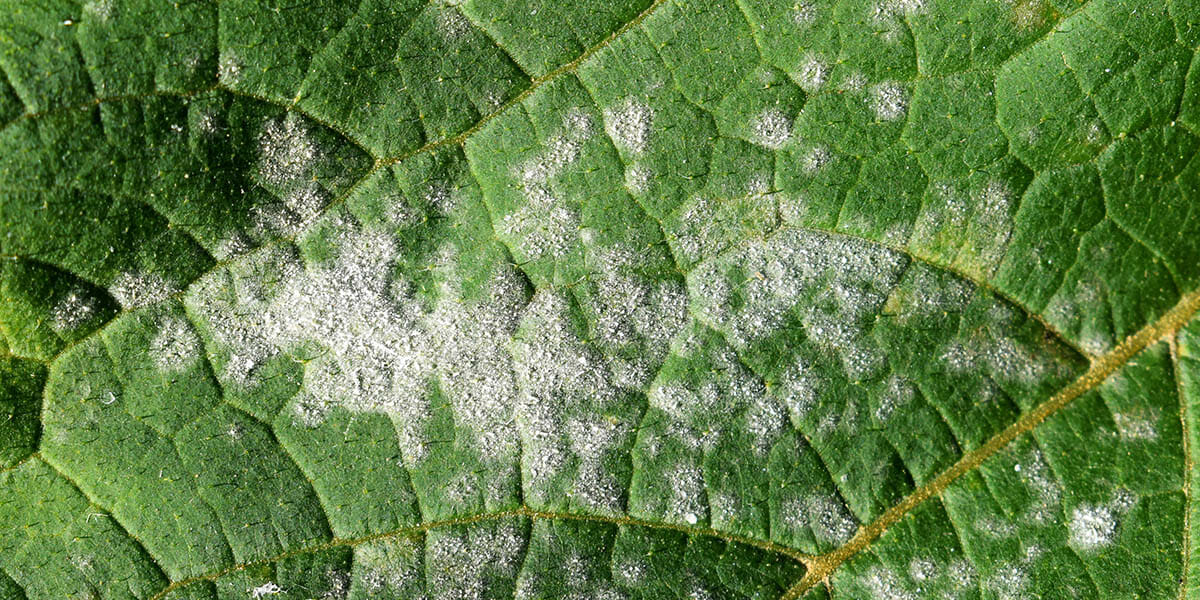
This fungal disease spreads quickly in dry days with cool nights. Early intervention helps prevent it from spreading to healthy foliage.
Root Rot (Wilting Despite Watering)
Caused by overwatering and poor drainage. Roots become black and mushy.
Improving drainage and using appropriate potting media can help prevent recurrence.
Leaf Spot & Blight (Brown or Black Spots)
Brown or black lesions spreading across leaves, often in humid conditions.
Removing affected leaves and maintaining plant hygiene can reduce spread. In some cases, treatment may be required.
Sooty Mold (Black Coating on Leaves)
A black coating that develops due to pest secretions, commonly from aphids or mealybugs.
Managing the underlying pest issue is essential to resolve the problem.
Viral Infections (Leaf Curling & Distortion)
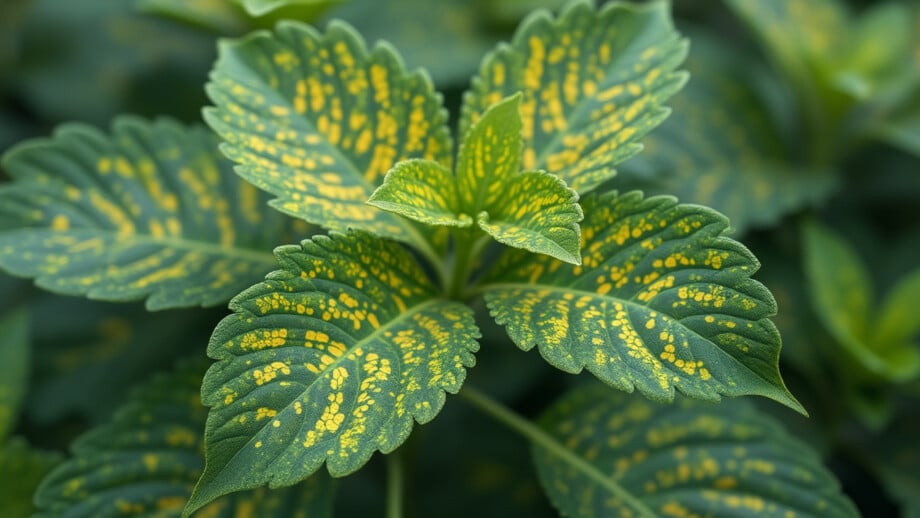
Symptoms include mosaic patterns, distorted leaves, and stunted growth. Viral infections cannot be cured, and affected plants should be removed to prevent spread.
How to Choose the Right Treatment for Plant Diseases
- Preventive care: Regular plant care and monitoring
- Early-stage issues: Mild organic treatments
- Severe fungal diseases: Targeted fungicide application
- Soil health & root protection: Soil conditioning and organic amendments such as Neem Cake
Understanding the stage and type of problem helps in selecting the most appropriate treatment approach.
How to Prevent Plant Diseases (Essential Care Tips)
- Use well-draining soil
- Water at the base rather than on leaves
- Ensure proper air circulation
- Remove infected plant parts promptly
- Maintain overall plant health through balanced nutrition
Best Organic Approaches for Managing Plant Diseases
Neem Oil (Preventive & Multi-Purpose)
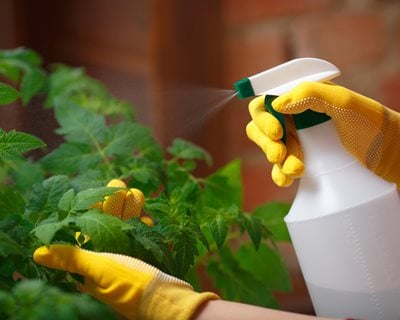
Neem Oil is widely used as a preventive measure and helps manage mild pest and fungal issues. Regular use supports plant health and reduces the likelihood of infection.
Bio-Pesticides (For Mixed Problems)
Bio-pesticides are useful when pests and mild disease conditions occur together, helping manage both without harming beneficial organisms.
Organic Fungicides (For Severe Infections)
Organic fungicides are effective against stronger fungal infections such as mildew, blight, and leaf spot when applied at the right stage.
Final Thoughts: Keep Your Plants Healthy
Healthy plants begin with good growing conditions, proper watering, and regular observation. By identifying symptoms early and taking timely action, most plant diseases can be managed effectively.


1 comment
Rita Sidhu
Is mybageecha discuss still available…? I want to order something… how to apply this discount