
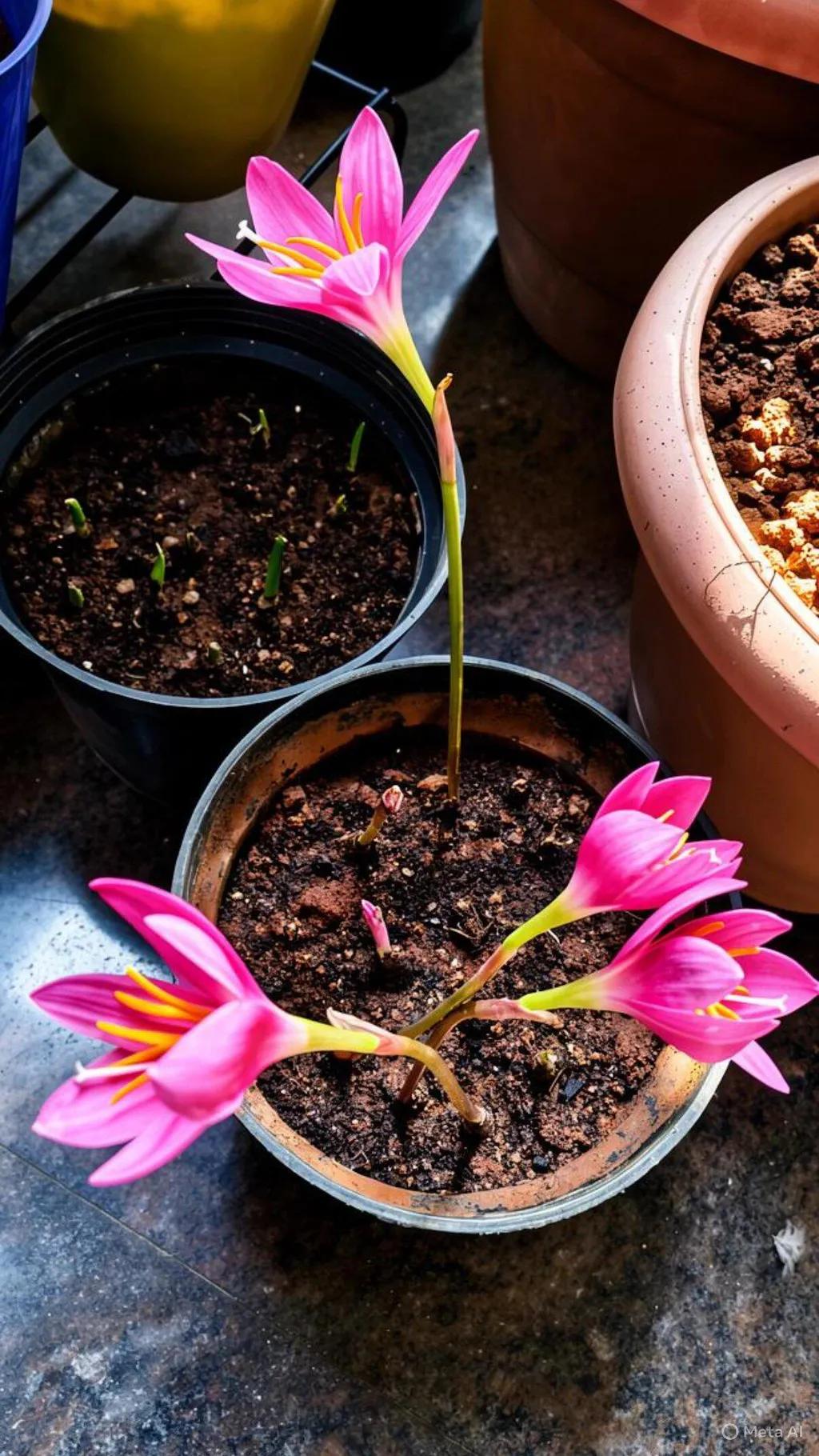
Parijata plant looks very healthy. Thank you
The plant is growing well, though occasionally its leaves wilt or turn yellow
Lovely growth. Bulbs started to grow within a week.
Perfect buy!
Identify common plant pests, fungal diseases, and leaf problems through symptoms and learn suitable organic treatment solutions for healthier indoor and outdoor plants.
Plant pests and diseases can affect leaves, stems, roots, flowers, and overall plant growth. Early identification and timely treatment help prevent severe damage while keeping plants healthy and productive. Whether you grow indoor plants, balcony plants, terrace gardens, or outdoor ornamentals, understanding common plant problems makes gardening easier and more successful.
Treatment may involve bio-pesticides, preventive care routines, or organic fungicides depending on the problem.
These pests feed on plant sap and are among the most common problems in indoor plants, terrace gardens, and outdoor ornamental plants. They often cause yellowing, curling leaves, sticky residue, and weakened growth.

Aphids are tiny sap-sucking insects usually found on fresh growth, flower buds, and the underside of leaves. Heavy infestations may cause distorted leaves and sticky honeydew deposits.

Mealybugs appear as white cotton-like clusters around stems and leaf joints. They weaken plants by feeding on sap and spreading rapidly in warm conditions.

Spider mites are extremely tiny pests that cause yellow speckles, dull foliage, and fine webbing on leaves, especially during hot and dry weather.
Chewing insects physically feed on leaves, flowers, and tender stems, leaving visible holes and damaged foliage.

Caterpillars feed aggressively on foliage and may damage vegetable plants, flowering plants, and ornamentals very quickly if left untreated.
These pests tunnel through leaves, stems, or plant tissue, making them difficult to detect in the early stages.

Leaf miners create winding white or translucent trails inside leaves and commonly affect vegetables and ornamental plants.

Borers attack stems and branches internally, weakening plant structure and causing dieback in severe cases.
Healthy roots are essential for strong plant growth. Soil pests and poor drainage can weaken roots and reduce nutrient absorption.
Fungal infections commonly increase during humid weather and monsoon conditions. Poor airflow and excess watering may worsen fungal problems in indoor and outdoor plants.

Powdery mildew appears as a white powdery coating on leaves, stems, and buds. It spreads quickly in humid conditions.
These fungal diseases cause black spots, yellow patches, rust-colored markings, or leaf discoloration that weakens plant growth.
Indoor plants may occasionally face pest issues due to low airflow, overwatering, or dry indoor conditions. Common indoor plant pests include mealybugs, fungus gnats, spider mites, and scale insects.
Regular leaf cleaning, proper watering, and good air circulation help reduce pest problems in indoor plant collections.
Monsoon humidity often increases fungal diseases, root rot, and pest activity in Indian gardens. Avoid waterlogging, improve drainage, and maintain proper spacing between plants for better airflow.
Early prevention is often easier and more effective than treating severe infestations later.
For more details, refer to our Plant Disease Identification Guide.
Q1. What is the most common pest found on indoor plants?
Mealybugs, spider mites, aphids, and fungus gnats are among the most common indoor plant pests.
Q2. How can I identify fungal disease on plants?
White powder, black spots, leaf discoloration, and rotting stems are common signs of fungal infection.
Q3. Is Neem Oil safe for organic gardening?
Neem Oil is widely used in organic gardening for preventive pest and fungal management.
Q4. Why are my plant leaves turning sticky?
Sticky leaves are often caused by sap-sucking insects such as aphids, mealybugs, or whiteflies.
Q5. How can I prevent plant diseases naturally?
Healthy soil, proper watering, good airflow, and regular plant inspection help reduce disease problems naturally.
Regular observation, preventive care, and timely treatment are the most effective ways to manage plant pests and diseases naturally. Healthy plants are more resilient, recover faster, and remain better protected against future infestations.


